
Blogs
A Guide to Fantasy Novels With Heroic Sacrifice

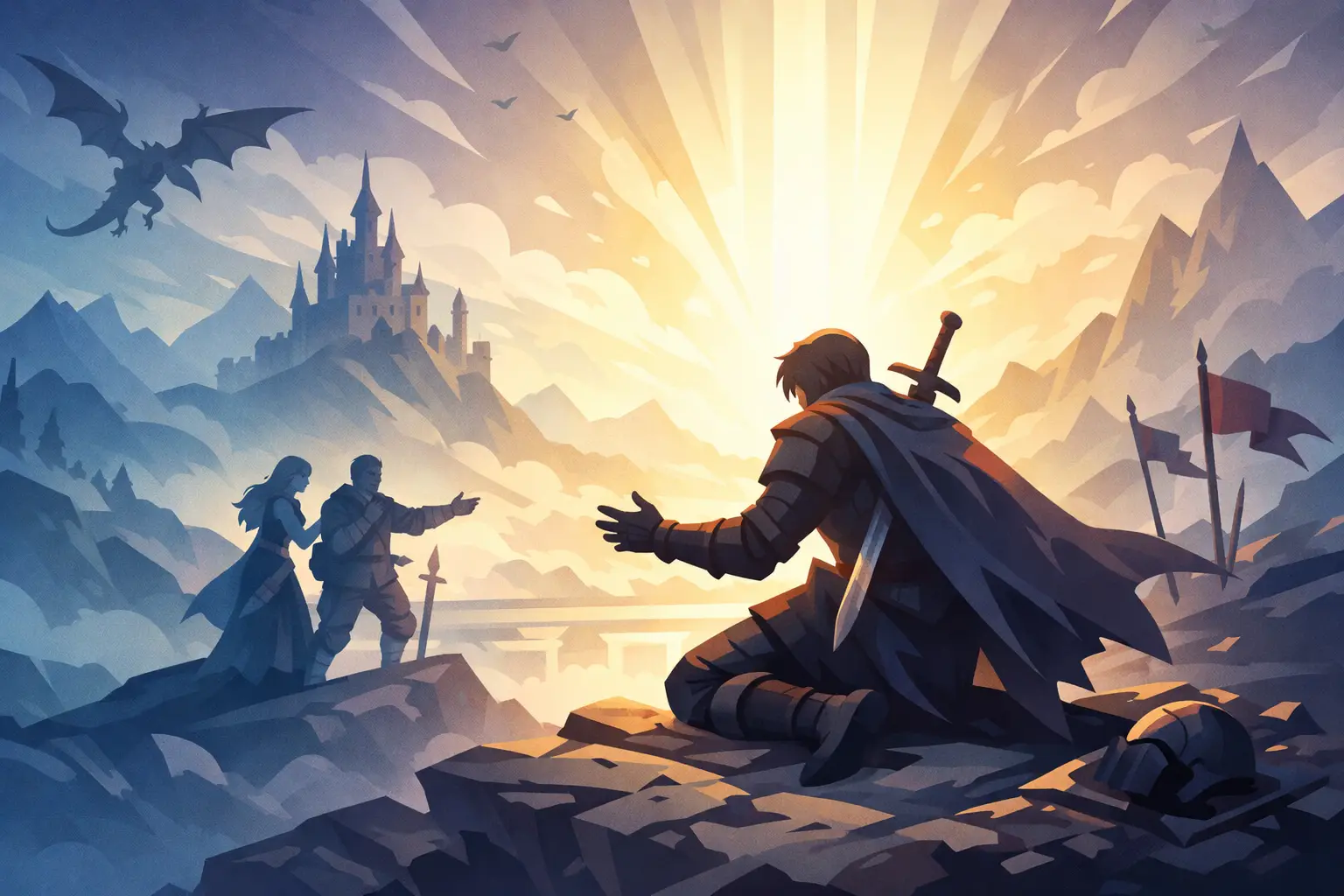
A great sacrifice scene is not simply the moment a hero falls. It is the moment every promise, fear, and hard-won bond in the story comes to bear on one impossible choice. This guide to fantasy novels with heroic sacrifice is for readers who want more than battles and magic. It is for those searching for epic adventures where courage has a cost, the innocent need protecting, and hope survives because someone chooses to stand in the darkness.
Heroic sacrifice can make a fantasy novel unforgettable. Yet not every tragic ending is meaningful, and not every character death earns its tears. The finest stories build toward sacrifice through loyalty, conviction, and consequence. They remind us that bravery is not the absence of fear. It is the decision to act when fear has every reason to win.
What Makes Heroic Sacrifice Matter?
In fantasy, sacrifice often arrives on a grand stage: a fortress under siege, an ancient evil awakening, a kingdom balanced on the edge of ruin. Spectacle can make the moment thrilling, but emotional truth is what makes it stay with a reader long after the final page.
A meaningful sacrifice changes something. The hero may give up safety, power, a future, a loved one, or even their life. Whatever is lost must matter deeply to them and to the people left behind. If a character has little to lose or the story immediately reverses the cost, the sacrifice can feel like a trick rather than a triumph.
The strongest examples also preserve choice. A character forced into danger may be heroic, but a character who understands the price and chooses to pay it creates a different kind of power. Their decision reveals who they are when no easy path remains.
Sacrifice Is Bigger Than Death
Readers sometimes look for heroic sacrifice expecting a devastating final stand. Those moments have their place, but sacrifice wears many forms. A ruler may surrender a crown to prevent war. A gifted mage may abandon magic to save a friend. A young adventurer may leave the only home they have known because strangers need help.
These choices can be just as stirring as a death scene, particularly in a continuing series. They leave space for a hero to live with the cost, question the decision, and discover who they are after victory. For readers who enjoy recurring protagonists, that aftermath can be as compelling as the sacrifice itself.
How to Find Fantasy Novels With Heroic Sacrifice
Finding the right story depends on what kind of emotional journey you want. Some readers seek a noble, tearful ending. Others want a quest where sacrifice comes in small, difficult choices long before the final confrontation. Paying attention to a book’s promises can help you find a story that fits your mood without giving away its most powerful turns.
Look first for fantasy that emphasizes quests, moral conflict, loyalty, resistance, or protecting the vulnerable. These themes often create the pressure that makes sacrifice believable. A hero who wants only glory may still become compelling, but a hero driven by love, justice, or responsibility usually carries more emotional weight when the stakes rise.
Series fiction is especially rewarding for this theme. Spending multiple books with a character allows readers to see their early doubts, their earned friendships, and the scars left by each trial. When the final choice arrives, it feels connected to an entire legendary journey rather than designed only to shock.
Read the Emotional Signals, Not Just the Plot Description
A synopsis full of dragons, relics, and dark armies tells you the world may be exciting. It does not always tell you whether the characters will move you. Search for language that suggests heart beneath the action: devotion, family, courage, betrayal, duty, redemption, or a promise that must be kept.
Reader reactions can offer clues as well. Comments about crying, feeling inspired, loving the character bonds, or thinking about an ending for days usually point toward emotional stakes. On the other hand, descriptions focused entirely on intricate magic systems or military strategy may suit a different kind of fantasy experience. Neither approach is better. It depends on whether you want sweeping adventure, intimate character pain, or both together.
You can also consider the age category. Young adult fantasy often places sacrifice beside identity, friendship, and first experiences of leadership. Adult epic fantasy may explore political duty, generational consequences, and the burden of command. Middle-grade fantasy can deliver tremendous emotional impact too, often with a clear sense of wonder and a powerful belief that even a young hero can make a difference.
The Four Sacrifice Stories Readers Remember
The most memorable fantasy sacrifices tend to follow a few emotional paths. Knowing them can help you choose your next adventure while keeping the best surprises intact.
- The last stand: A hero holds the line so others can escape, finish the quest, or live free. This is the classic battlefield sacrifice, and it works best when the hero’s stand reflects a relationship or principle built throughout the story.
- The surrendered future: The character survives, but loses the life they dreamed of. They may walk away from love, home, power, or peace because the greater good demands it.
- The burden willingly carried: A hero takes on a curse, secret, wound, or dangerous responsibility so no one else has to. This choice is often quieter, which can make it deeply personal.
- The redemption choice: A flawed character gives everything to repair harm or protect those they once endangered. Redemption is moving when it does not erase the past, but confronts it honestly.
Each path offers a different feeling. The last stand may leave readers grieving and exhilarated. The surrendered future often produces a quieter ache. Burden-bearing stories can create suspense across several books, while redemption sacrifices bring moral complexity to an adventure that might otherwise seem simple.
Why Hope Must Survive the Cost
Fantasy has always asked readers to believe that one person can matter in a vast and dangerous world. Heroic sacrifice sharpens that promise. It says the hero may not be able to save everything, but their choice can save someone, preserve a truth, or give others the strength to keep going.
That does not mean every sacrifice needs a cheerful ending. Some of the most affecting fantasy novels end with grief, uncertainty, or a world permanently changed. Still, a story needs meaning where it brings pain. The sacrifice should open a door for others, even if that door is small: a child spared, a city freed, a friend forgiven, a frightened people willing to hope again.
This is the difference between darkness with purpose and darkness for its own sake. Readers can endure heartbreak when they feel the story respects it. They want to see that the hero’s courage mattered and that the world recognizes, or eventually discovers, the value of what was given.
A Guide to Fantasy Novels With Heroic Sacrifice and Heart
When choosing your next read, do not settle for sacrifice as a shortcut to drama. Look for a world worth defending and characters who have become real enough that their choices matter. Look for friendships tested by danger, villains whose threat forces hard decisions, and heroes whose strength is measured by compassion as much as skill with a sword or spell.
For readers who want that blend of high-stakes quests and heartfelt courage, a series such as Asim’s Extraordinary Journeys offers the appeal of an ongoing heroic path: danger ahead, magical worlds beyond the horizon, and a protagonist tested by the call to protect others. The best series let each adventure raise the stakes while giving the hero new reasons to fight.
A fantasy novel with heroic sacrifice should leave you feeling the cost, but not emptied by it. Choose the stories that make you root for the frightened traveler, the loyal companion, and the unlikely guardian who steps forward anyway. Somewhere beyond the next enchanted gate, a hero may be facing an impossible choice – and their courage may remind you why hope is always worth defending.