
Blogs
Fantasy Books About Protecting the Innocent

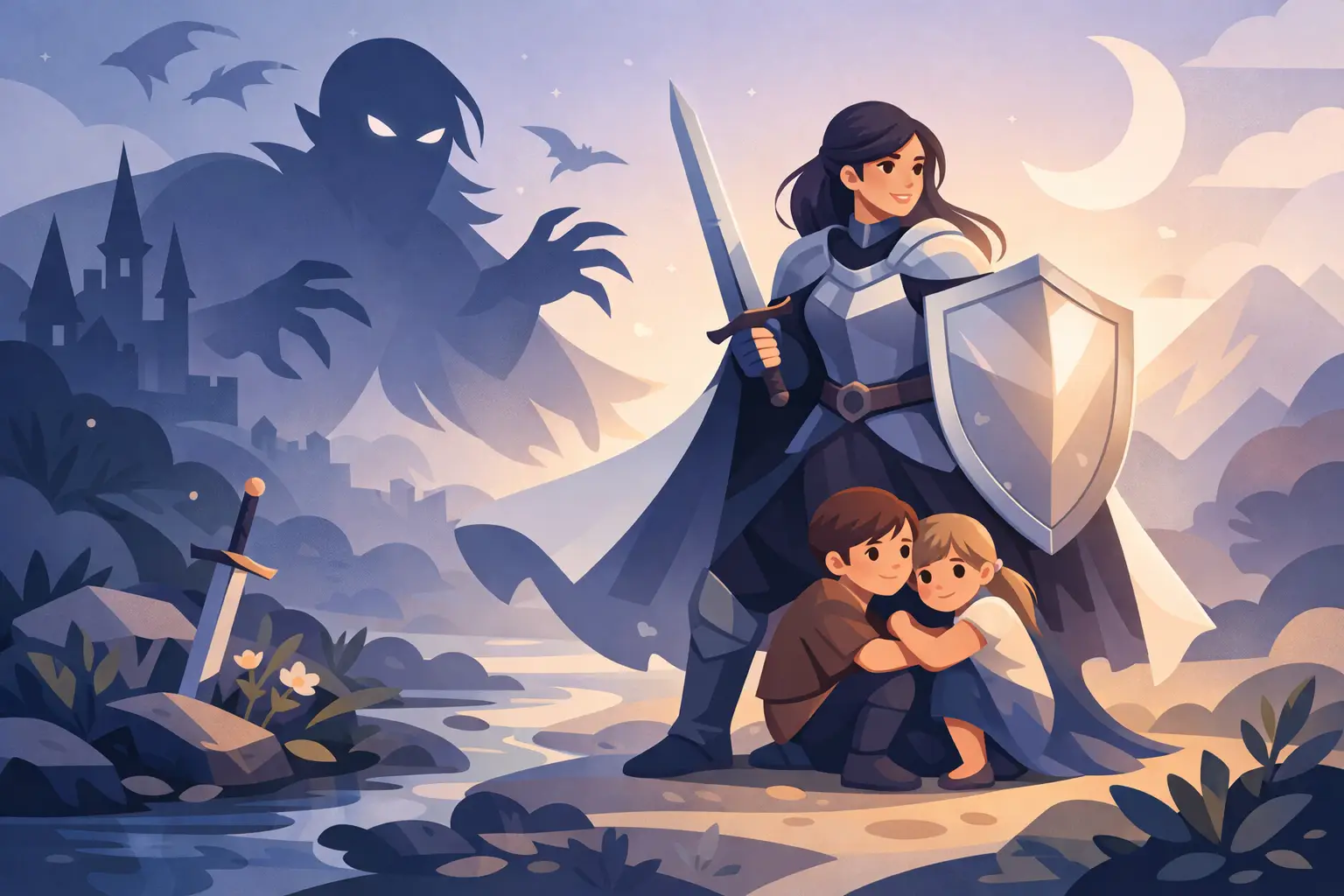
Some fantasy stories are thrilling because kingdoms fall, dragons rise, or ancient magic breaks loose. Others stay with you for a deeper reason. The best fantasy books about protecting the innocent hit that nerve where courage becomes personal. A battle matters more when someone steps into danger not for glory, but for the child, the village, the outcast, or the family that cannot fight back.
That kind of story has a special pull. It gives fantasy its spectacle, but it also gives it a heartbeat. You are not just watching heroes chase power or destiny. You are watching them decide what their strength is for.
Why fantasy books about protecting the innocent matter
Fantasy has always had room for enormous stakes, but scale alone does not create emotional weight. A war between empires can be exciting, yet a single vow to defend the vulnerable often lands harder. It turns magic, swordplay, and impossible odds into something human.
Readers who love quest-driven fantasy usually want more than action scenes stitched together with lore. They want noble risk. They want loyalty tested under pressure. They want that moment when a character could walk away and survive, but chooses to stand firm because someone else needs them. That choice is where heroism stops being decorative and starts feeling earned.
This is also why these stories appeal across ages. Teen readers see bravery with a moral center. Adult readers recognize the cost behind that bravery. Everyone understands the quiet truth at the center of it – power means very little if it is never used to shield the defenseless.
What makes this kind of fantasy story work
Not every fantasy novel with a good hero is really about protection. Some are about conquest, revenge, prophecy, or survival. Those can still be excellent, but fantasy books about protecting the innocent usually share a different emotional engine.
First, the threat feels immediate. The danger is not abstract. It is close enough to touch. A town is under siege. A child is hunted. A people have no champion. A companion cannot survive alone. The innocent are not background decoration. Their safety shapes the plot.
Second, the hero pays a price. Protection is compelling when it costs something real – safety, reputation, freedom, or the chance at an easier path. If defending others changes nothing, the story loses its force. Sacrifice gives the promise meaning.
Third, the world around that hero is often morally mixed. Fantasy gets richer when the protector is not moving through a simple landscape of good people and evil monsters. Sometimes rulers are weak, systems are corrupt, or the hero is mistrusted by the very people they are trying to save. That tension makes acts of courage feel sharper.
Finally, the innocent themselves need texture. They should not exist only as symbols. The strongest fantasy gives the vulnerable people names, fears, stubbornness, and hope. That way protection feels relational rather than theoretical.
The emotional promise behind fantasy books about protecting the innocent
There is a reason these stories feel so satisfying when they are done well. They answer a deep reader desire: that strength and compassion can belong together.
A lot of fantasy is built on escalation. Bigger enemies. Darker magic. Wider wars. That can be exhilarating, but it can also become numb if every chapter only raises the size of the explosion. Stories centered on protecting the innocent keep the emotional stakes grounded even as the world expands. The hero may be crossing cursed lands or confronting ancient evil, yet the purpose remains clear. Someone fragile, precious, and endangered must make it through.
That creates a very specific kind of momentum. You are not reading just to see whether evil is defeated. You are reading to see whether goodness survives without being crushed out of the people carrying it.
For many readers, that is what makes a fantasy journey unforgettable. The magic dazzles, but mercy is what gives the dazzlement meaning.
What readers should look for in this subtheme
If you are searching for stories in this lane, it helps to know that not all books approach it in the same way. Some are fast-moving adventure tales where the protector role is obvious from the start. Others build slowly, revealing that a hero’s greatest task is not claiming power but using it to guard lives that would otherwise be lost.
A younger-skewing fantasy may frame innocence more clearly, with straightforward lines between cruelty and courage. That can be powerful, especially when you want a clean heroic rush. More adult fantasy may complicate the idea. Who counts as innocent in a broken world? What happens when saving one group endangers another? Those trade-offs can create a heavier but more layered reading experience.
Series fiction often does this especially well. Across multiple books, a hero can grow from someone simply trying to survive into someone willing to carry responsibility for others. That progression feels earned. The protector is not born fully formed. They become one through losses, promises, and impossible choices.
The fantasy stories that linger longest
The most memorable books in this space usually do not present protection as softness. They present it as resolve.
There is steel in a character who refuses to let cruelty have the final word. There is grandeur in a hero who can wield power but still kneels to reassure the frightened. In great fantasy, these moments are not side notes between battles. They are the reason the battles matter at all.
This is where cinematic storytelling shines. A moonlit escape through haunted woods. A last stand at the gate while civilians flee. A guardian keeping watch while danger circles just beyond the firelight. These scenes work because they combine wonder and urgency with something intimate. The spectacle widens the world, but the emotional bond keeps us inside it.
Readers who love epic adventure often remember these moments more vividly than the largest set pieces. Not because they are smaller, but because they feel truer. Saving the realm is exciting. Saving one innocent life in full view of overwhelming darkness can be transcendent.
Why this theme fits heroic fantasy so well
Heroic fantasy is built on movement – journeys, trials, betrayals, revelations, and rising danger. Protection gives that movement moral direction.
Without a grounding purpose, quests can start to feel like motion for motion’s sake. The hero travels because the plot requires travel. The monster appears because the pacing needs a fight. But when the core motive is to defend the innocent, every step gains clarity. The journey matters because there are lives behind it.
This theme also reveals character faster than speeches ever can. A person can claim to be brave, honorable, or chosen. That means very little until fear arrives and someone weaker stands in the blast radius. Then the truth comes out. Protectors are not defined by what they say under calm skies. They are defined by what they do when darkness closes in.
That is one reason fantasy readers return again and again to stories with a strong heroic through-line. We want to believe courage can hold. We want to see loyalty outlast terror. We want to watch someone step forward when stepping back would be easier.
A note on tone: light, dark, and everything between
It depends on what kind of experience you want. Not every reader wants the same shade of fantasy.
Some books offer a bright, uplifting version of this theme. The danger is real, but the spirit is hopeful. These stories are ideal when you want wonder, momentum, and the sense that goodness can still blaze in the dark.
Others take a harsher route. Protection comes with steep losses, moral strain, and painful compromises. That approach can be powerful too, especially for readers who like their fantasy scarred and honest. The trade-off is emotional heaviness. A darker story may leave you moved, but not exactly comforted.
Neither path is better. It comes down to whether you want your next adventure to feel like a rallying cry or a hard-won vigil.
Why readers keep coming back to this kind of story
Because it reminds us what heroism is supposed to be.
Not dominance. Not spectacle for its own sake. Not power collected like treasure. Real heroism in fantasy has always carried a protective instinct. It reaches outward. It shields. It endures.
That is why this theme keeps finding new life in magical worlds, quest sagas, and long-running series. It speaks to readers who want more than escapism. They want courage with a conscience. They want danger with purpose. They want to walk through endless worlds and still find a truth worth holding onto.
In stories like these, the innocent are never a side issue. They are the reason the sword is raised, the gate is defended, and the journey continues. And if you are the kind of reader who wants wonder without losing heart, that is where fantasy shines brightest.
If you are choosing your next adventure, look for the one where bravery protects more than pride. Those are often the stories that stay with you long after the final page goes dark.