
Blogs
Why Do Readers Love Fantasy Series So Much?

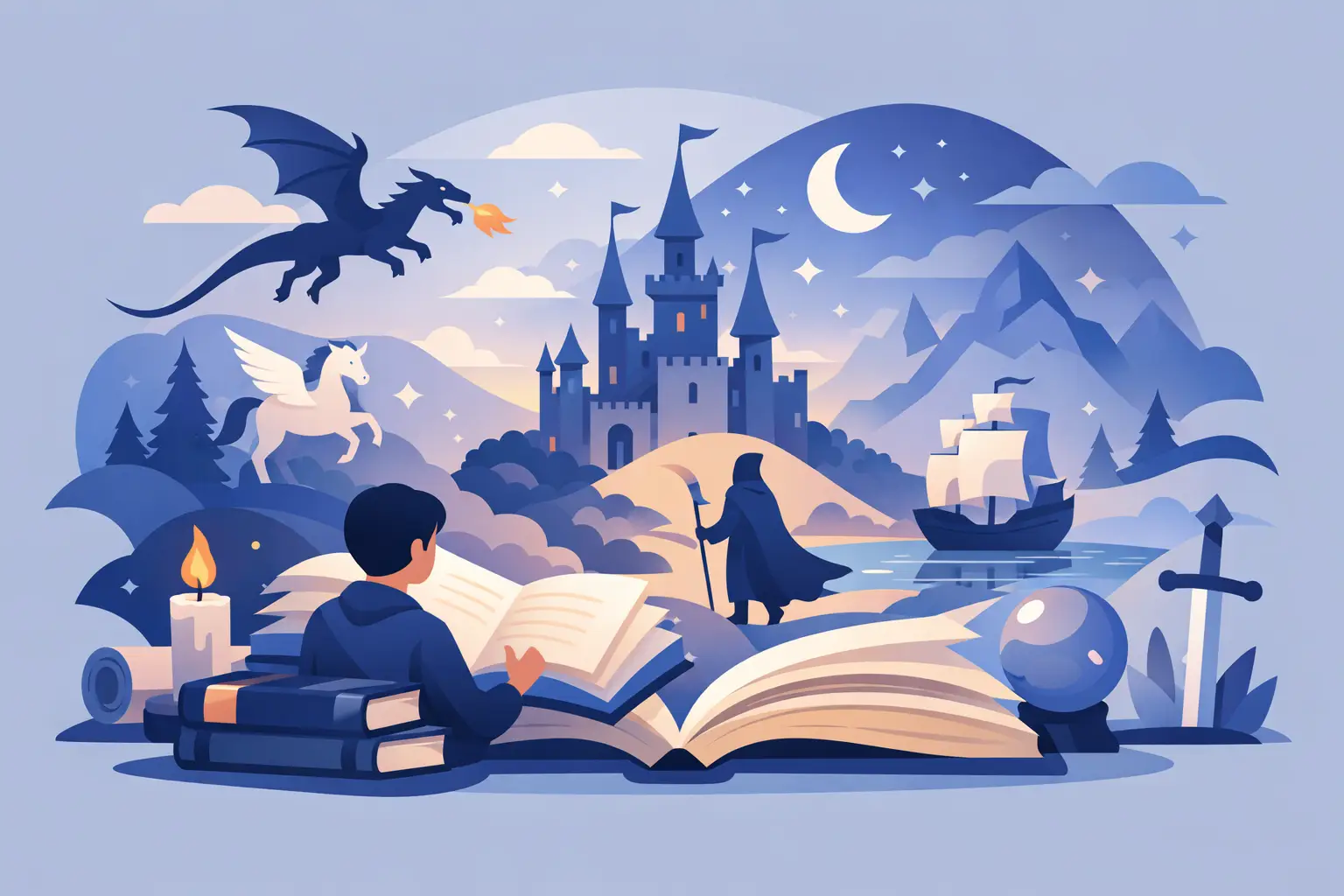
A lone traveler crosses a kingdom on the edge of war. A young hero discovers a power that could save the innocent or destroy everything they love. By the final page, readers are not simply asking what happens next. They are asking when they can return. That is why do readers love fantasy series is such a powerful question for anyone drawn to epic adventures: the best series does more than tell a story. It gives readers a place to belong.
Fantasy has always promised wonder, danger, and escape. A fantasy series adds something even more lasting – the chance to follow one legendary journey as it grows larger, darker, and more meaningful with every book. Readers return for the magic, certainly. But they stay for the heroes they have come to trust, the friendships tested by impossible odds, and the feeling that this world still holds secrets beyond the horizon.
Why Do Readers Love Fantasy Series?
At the heart of a great fantasy series is continuity. The first book opens a gate. The next books lead readers farther through it.
A standalone adventure can deliver a thrilling quest and a satisfying ending. But a series has room to let consequences matter. A victory won early may create a new enemy. A kingdom saved in one book may need protection in the next. A frightened young character can become a leader, only to learn that leadership asks for sacrifices they never expected.
That sense of forward motion makes each book feel connected to a larger purpose. Readers are not beginning again with strangers. They are continuing beside companions who have already earned their loyalty.
For fantasy fans, this is part of the joy. The map becomes familiar. The rules of magic gain depth. A whispered name or forgotten artifact from an earlier adventure may suddenly become vital. The world feels alive because it has a past, and because its future is still uncertain.
A World Worth Returning To
Fantasy worlds offer more than scenery. At their best, they create a complete emotional atmosphere.
Readers may enter for soaring castles, hidden realms, ancient prophecies, or creatures that could never exist in ordinary life. Yet the details that remain with them are often more personal: a road traveled by loyal friends, a city whose people need defending, a quiet refuge before the next battle, or a symbol that reminds a hero why they cannot give up.
A series allows that world to unfold at the right pace. Book one can introduce the danger. Book two can reveal the cost of surviving it. Later books can show distant lands, rival powers, old betrayals, and mysteries that were present from the beginning but not yet understood.
This expansion gives readers a rare kind of satisfaction. They get the comfort of returning to somewhere familiar while still encountering the unknown. It is like coming home to find a new door in the hallway, one that leads to another impossible country.
Of course, more worldbuilding is not always better. Endless names, histories, and magical rules can bury the adventure if they do not serve the characters. Readers do not need a textbook about every kingdom. They need to feel why this kingdom matters when it is threatened. The strongest fantasy worlds make every wonder part of the story’s emotional stakes.
Familiar Heroes, New Trials
The greatest reason readers commit to a series is usually not the dragon, the sword, or the spell. It is the person holding the sword when the dragon comes.
Fantasy heroes face dangers on a grand scale, but their struggles are deeply human. They fear failure. They grieve what they have lost. They question whether they are strong enough to protect those who depend on them. When they choose courage anyway, readers feel that choice.
Across several books, a protagonist has time to become more than a name on a cover. Readers see who they were before the quest changed them. They see the mistakes they make under pressure and the values they refuse to abandon. They witness how loyalty is built, how trust can break, and how even a powerful hero may need help.
That growth makes later victories hit harder. When a reader has followed someone through defeat, doubt, and loss, one hard-won triumph can feel personal. The hero’s success carries the memory of every earlier sacrifice.
This is especially true in stories where courage means protecting the vulnerable. Many readers love fantasy because its moral conflicts are clear enough to inspire without being simple. Evil may wear a crown, command an army, or hide behind fear. But standing against it still requires choices. A hero can be brave and uncertain. A friend can be loyal and afraid. Justice can demand real sacrifice.
Escalating Stakes Make Every Book Matter
A fantasy series thrives on rising stakes, but bigger is not the same as better.
Yes, readers enjoy watching a quest grow from one dangerous mission into a conflict that could reshape entire worlds. There is a cinematic thrill in discovering that the enemy is stronger, the mystery older, or the threat closer than anyone believed. Each installment can widen the horizon and raise the cost of failure.
But the battles matter most when they remain connected to something intimate. Saving a realm is exciting. Saving a friend, a family, or a promise can be unforgettable.
The best series balance both. A hero may be called to stop a force of darkness, but the reason they keep fighting is often someone standing beside them. The fate of a kingdom feels real when readers understand what life inside that kingdom is worth: its people, its hopes, and its chance to live without fear.
That balance is also why cliffhangers and unanswered questions work so well in fantasy. Readers will wait for the next chapter of a saga when the question is not merely, “Can the hero win?” It is, “What will this victory cost?”
The Pleasure of Knowing There Is More Ahead
There is a special kind of relief in finishing a fantasy novel and realizing the adventure is not over.
Readers who invest their imagination in a world do not always want to say goodbye after one final battle. A series gives them permission to linger. They can anticipate the next revelation, debate a character’s decision, imagine where the quest will go, and carry the story with them between books.
That anticipation turns reading into an ongoing experience. It becomes something shared with fellow fans and something personal at the same time. A reader may remember exactly where they were when they learned a trusted ally had a secret, when a hero finally claimed their strength, or when a familiar world revealed its darkest truth.
For many teens and adult readers, fantasy series also offer a meaningful refuge. They do not erase real struggles, nor should they. Instead, they remind us that fear is not the end of the story. A person can be overwhelmed and still take the next step. A small act of loyalty can matter. Hope can survive in places where it seems least likely.
That is the promise behind enduring fantasy adventure: not that the road will be easy, but that the journey is worth taking.
One Journey Can Become a Lasting Companion
The most beloved fantasy series earn their place in a reader’s heart because they respect the journey. They give wonder room to breathe, let characters change, and make every new danger feel connected to what came before.
A series such as Asim’s Extraordinary Journeys speaks to that longing for a continuing heroic path – one where adventure grows, loyalty is tested, and courage is never merely a gift but a choice. Readers want worlds filled with magic, but they also want heroes who remind them why goodness is worth defending.
When the final page of one book feels like a door rather than a wall, the next adventure is already calling. For readers who love fantasy, answering that call can feel like returning to a world that has been waiting for them all along.