
Blogs
Why Heroic Fantasy Novels Still Matter

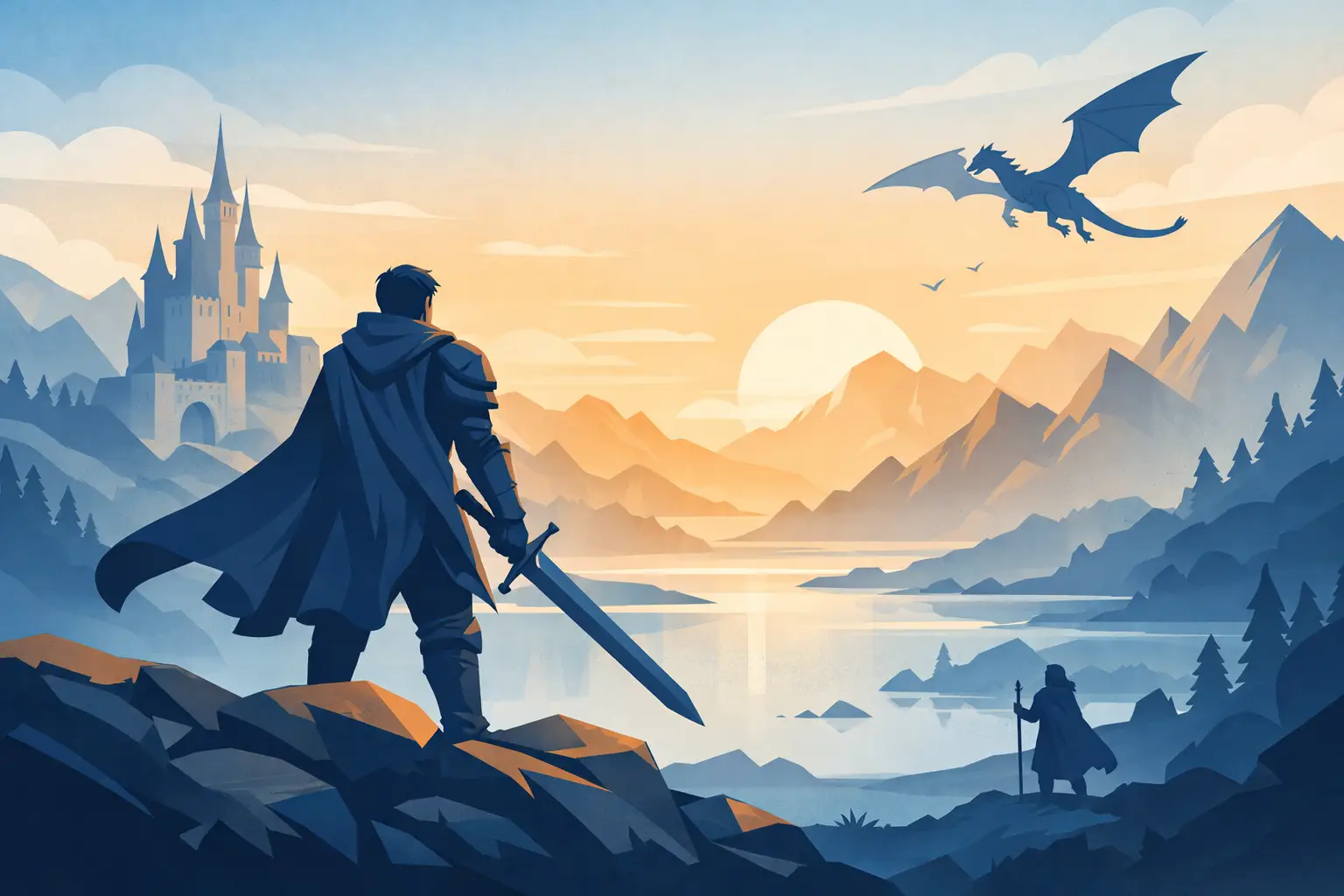
Some stories entertain for a weekend. Others stay with you because they remind you what courage looks like when the night is at its darkest. That is the lasting power of heroic fantasy novels. They do more than offer monsters, magic, and distant kingdoms. At their best, they give readers a reason to believe that loyalty matters, sacrifice means something, and one brave soul can still change the fate of many.
For readers who crave epic adventures, this kind of fantasy hits a very specific nerve. You are not just looking for spectacle. You want danger with emotional weight. You want a quest that feels costly, a hero who can be wounded without being broken, and a world worth saving because innocence, justice, and hope are still alive inside it. Heroic fantasy answers that hunger with a kind of storytelling that feels timeless.
What makes heroic fantasy novels different
Not every fantasy story is heroic fantasy, even when it has swords, magic, or a grand setting. The difference usually comes down to moral center. In heroic fantasy novels, the heart of the story is often a character who is called to stand against chaos, cruelty, corruption, or overwhelming evil. The scale can be intimate or enormous, but the core is the same. Someone chooses courage when fear would be easier.
That does not mean the hero is perfect. In fact, the best heroes rarely are. They doubt themselves. They fail people they care about. They carry grief, guilt, and impossible responsibility. What makes them heroic is not invincibility. It is their refusal to surrender what is right, even when the cost rises with every step.
This is where the genre earns its emotional power. A flashy battle can be exciting, but a battle means more when the reader understands what is being defended. A kingdom matters because families live there. A sacred relic matters because it could protect the vulnerable. A quest matters because if the hero falls, something precious falls with them.
Why heroic fantasy novels keep calling readers back
Genres survive because they meet a human need, and heroic fantasy continues to thrive because it speaks to some of the deepest ones. It offers escape, yes, but not empty escape. It gives readers a world of wonder while also asking difficult questions about duty, mercy, fear, and strength.
There is something deeply satisfying about watching a character rise into greatness without losing their humanity. Readers do not fall in love with heroic fantasy because the road is easy. They fall in love with it because the road is hard and the hero walks it anyway.
That kind of journey feels especially powerful in a long-running series. When readers can follow a central hero across multiple trials, each victory carries history. Each scar means something. Relationships deepen. Threats evolve. The world expands, but so does the heart of the story. That is often where fantasy adventure becomes unforgettable.
For many readers, heroic fantasy is also a refuge from cynical storytelling. There is room for darkness, betrayal, and loss in the genre. There should be. Without danger, heroism has no shape. But heroic fantasy does not have to sneer at goodness to feel mature. It can believe in noble choices without becoming shallow. That balance is harder to pull off than it looks, and when a novel gets it right, it feels earned.
The emotional engine behind great heroic fantasy
The strongest heroic fantasy novels are not built on worldbuilding alone. A dazzling realm may draw readers in, but emotion is what keeps the pages turning. The hero must want something that matters beyond survival. Protecting a sibling, honoring a vow, defending the innocent, reclaiming a stolen legacy, or resisting a spreading darkness all create momentum that feels personal.
This is why side characters matter so much in the genre. A loyal companion, a wise guide, a rival with a buried conscience, or a frightened community depending on the hero can transform a simple adventure into something far more resonant. The quest becomes a living bond between characters and readers.
Even the setting works best when it serves that emotional current. Ancient forests, ruined citadels, hidden temples, and storm-swept battlefields are not just decorations. They become stages for sacrifice, revelation, and courage. In truly memorable fantasy, the world feels alive because it presses back against the characters. Every road tests them. Every choice leaves a mark.
Heroic fantasy novels and the promise of hope
One reason this genre endures is that it still allows hope to be powerful. Not naive. Not easy. Powerful.
Hope in heroic fantasy usually comes with a price. It may survive betrayal, war, exile, or impossible odds. It may flicker down to a single sword raised by a weary hand or a single promise kept when everything else is falling apart. That is exactly why it lands so hard. Hope means more when it has every reason to die and refuses to.
This matters to readers more than critics sometimes admit. People return to fantasy because they want wonder, but also because they want meaning. They want stories where bravery is not just a personality trait. It is a choice renewed again and again. They want stories where protecting the weak is not foolish, where loyalty is not obsolete, and where the heart can remain intact even after the battle.
That does not mean every heroic fantasy novel should follow the same path. Some readers want a classic quest. Others want a more character-driven story with quieter moments between the battles. Some want dense mythology and ancient prophecies. Others prefer faster pacing and cleaner lines between danger and destination. It depends on what kind of adventure feels most alive to you.
How to recognize a heroic fantasy worth your time
A truly compelling heroic fantasy novel usually reveals itself early. There is a sense of forward motion, but also a sense of purpose. The hero is moving toward something larger than personal gain. The danger feels real. The world hints at mystery. Most of all, the story makes you care.
That care is the deciding factor. You can forgive familiar tropes if the emotional stakes are strong. You can enjoy a straightforward chosen-one arc if the characters feel sincere and the trials have real consequences. On the other hand, even the most inventive magic system can feel hollow if nobody in the story seems changed by what they endure.
It is also worth paying attention to tone. Some heroic fantasy leans grim and battle-heavy. Some leans wondrous and uplifting. Neither approach is automatically better. The right choice depends on what kind of reading experience you want. If you love stories that pair peril with inspiration, look for novels that let triumph feel radiant without pretending the darkness was small.
Series readers should look for another key trait: escalation with heart. Bigger threats alone are not enough. The emotional stakes must rise with the external ones. A second or third book should not just widen the map. It should deepen the hero.
That is one reason readers gravitate toward series built around a recurring protagonist. There is a special thrill in returning to a hero whose journey keeps unfolding across dangerous lands and impossible odds. When done well, each book feels like another chapter in one legendary journey instead of a reset.
Why the genre still feels fresh
Heroic fantasy novels have been around for a long time, but they do not feel worn out when writers remember what makes them breathe. The genre is not sustained by castles, prophecies, or enchanted blades alone. It lives on because readers never stop needing stories about courage.
New heroic fantasy can still surprise you. A fresh voice can make a familiar quest feel urgent again. A heartfelt protagonist can make old archetypes feel newly alive. A story that combines cinematic action with genuine emotional stakes can remind readers why fantasy remains one of the most stirring forms of storytelling there is.
That is part of the lasting appeal behind series-driven adventure fiction, including the kind of imaginative, heartfelt storytelling Tommy Lee Davis champions. Readers want to be transported, certainly, but they also want to feel strengthened by the journey. They want peril and wonder. They want loyalty tested and hope defended. They want a hero worth following into the dark.
And maybe that is the real reason these stories endure. Heroic fantasy does not ask readers to believe life is easy. It asks them to believe that bravery, compassion, and perseverance still matter when life is hardest. For anyone searching for a story with magic in its veins and courage at its center, that is always a journey worth taking.