
Blogs
How to Spot Fantasy Spoilers Before They Strike

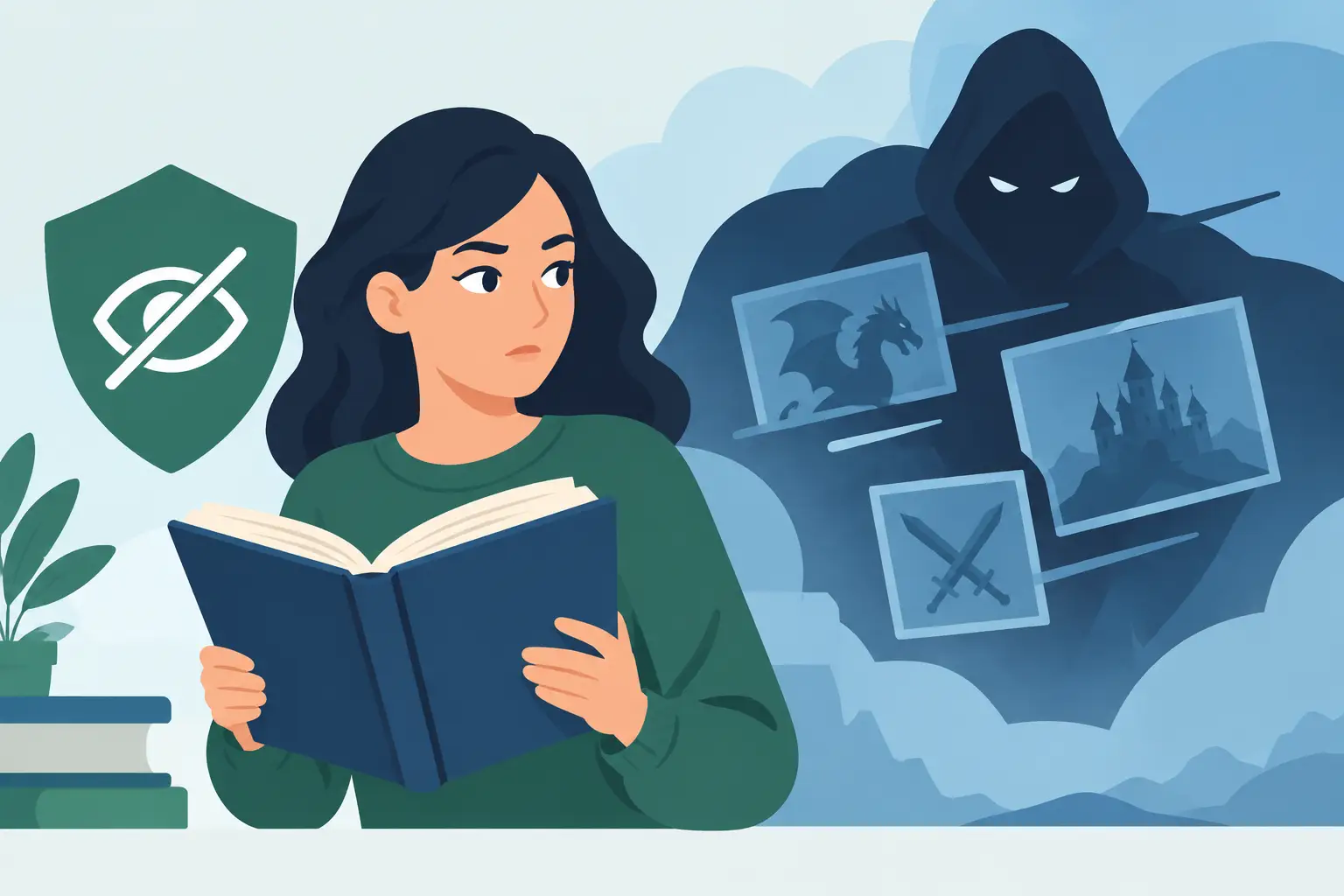
A fantasy spoiler rarely arrives wearing a villain’s cloak. More often, it hides in an innocent review, a glowing social post, a character name on a book cover, or a search suggestion that reveals far too much. Learning how to spot fantasy spoilers lets you protect the moments that make an epic adventure unforgettable: the prophecy fulfilled, the ally who was never an ally, the sacrifice that changes a kingdom, and the final choice that tests a hero’s heart.
For readers who love quests, magical worlds, and high-stakes series, surprise is part of the journey. You deserve to meet each danger, discovery, and victory when the story is ready to reveal it.
Why Fantasy Spoilers Hit So Hard
Fantasy is built on possibility. A mysterious stranger may be a lost heir. A feared creature may become a protector. A forgotten legend may hold the key to saving an entire realm. When someone tells you what those possibilities become, they do more than reveal a plot point. They close doors that the story was meant to open one by one.
The damage can be especially sharp in a series. Book one may plant a tiny detail that explodes into meaning three books later. A casual comment about who survives, who rules, or who falls can steal the tension from hundreds of pages. Even a spoiler that sounds small can reshape the way you read every scene afterward.
That does not mean you must avoid all conversation about books. The goal is not to read in a tower with the doors barred. It is to recognize the warning signs, set clear boundaries, and choose the kind of book discussion that adds excitement instead of taking it away.
How to Spot Fantasy Spoilers in the Wild
The clearest spoilers are direct. “Wait until you find out who the traitor is” is not harmless enthusiasm. Neither is “I cannot believe that character dies.” These statements announce that a major turning point exists, even if they leave out the name.
But indirect spoilers are often trickier. Watch for phrases that signal a future reversal: “You will see this character differently later,” “That ending broke me,” or “Do not get attached.” A reader may believe they are being vague, but they have already given your imagination a map of where danger waits.
Search results can be worse. Typing a character’s name followed by “age,” “art,” or “quotes” may produce suggestions such as “death,” “betrayal,” “villain,” or “relationship.” Autocomplete has no sense of mercy. If you need to look something up, use the book title plus a tightly specific question, and avoid reading beyond the first useful answer.
Fan art, playlists, and character rankings can also reveal too much. A portrait of two characters standing together might confirm an alliance. A meme may expose a transformation, a new identity, or a devastating loss. A list titled “Best Fantasy Couples” can spoil a romance long before it earns its first spark.
Reviews require their own caution. A review can be spoiler-free in spirit and still reveal whether the ending is hopeful, tragic, or full of betrayal. Before reading, look for a clear spoiler label. If none appears, read only the opening lines or skip it until you finish the book. You can still support an author by purchasing the story, sharing the cover, or discussing the premise without consuming every review first.
The spoiler signals readers miss
Some signals are subtle because they sound like praise. When a friend says, “The first half is slow, but the payoff is incredible,” they have placed a finish line in your mind. When a reviewer says a side character “becomes essential,” you may start watching that character as though they carry a secret crown.
Pay attention to tense as well. Descriptions that refer to a character’s later status can expose their fate. A post calling someone “the future queen,” “the redeemed villain,” or “the legendary guardian” has moved beyond the starting point of the tale. In fantasy, titles change for a reason.
Build a Spoiler Shield Before You Begin
The best defense starts before the first chapter. Decide how protected you want your reading experience to be. Some readers do not mind broad information, such as whether a series is complete or whether the story contains romance. Others prefer to know only the premise. Neither approach is wrong. The right choice depends on how much surprise matters to you.
Tell friends your boundary in plain language. “I am starting this series, so please do not hint at anything after book one” works better than “No spoilers.” It gives them a clear line to respect. If you are midway through a book, name the chapter or percentage you have reached.
On social media, mute the book title, author name, and major character names if the platform allows it. Be careful with tags during a new release week, when readers are eager to react in real time. If you follow a creator who regularly discusses the series, it may be wiser to pause their content than to gamble on a thumbnail or headline.
You can also create a small reading ritual: keep a note of questions you want answered, then resist searching them. The mystery is not a problem to solve outside the book. It is fuel for the adventure. Let the author reveal the answer through the path they built.
Read Recommendations Without Losing the Magic
Recommendations are useful, especially when you are searching for your next legendary journey. The trick is to ask for what you need without inviting a complete plot report.
Instead of asking, “What happens in this series?” ask whether it features a determined hero, ancient magic, found family, dangerous quests, or a completed story arc. You can ask about tone, reading level, pacing, and the emotional weight of the story. These details help you choose a book while leaving its greatest revelations safely behind the curtain.
Content notes can require a little more care. If you need to know whether a story includes a particular theme or difficult subject, request a simple yes-or-no answer with no context. A thoughtful friend can answer without explaining who experiences it, when it happens, or why it changes the plot.
The same approach works when choosing a fantasy series. Knowing that the stakes rise across several books is exciting. Knowing exactly which kingdom falls or which companion turns against the group is not necessary to decide whether the series is for you.
What to Do When You See a Spoiler
First, do not panic. A spoiler only has as much power as your mind gives it. Fantasy stories are full of visions, disguises, false deaths, unreliable legends, shifting loyalties, and meanings that change as the truth comes into view. What you saw may be incomplete, misunderstood, or entirely out of context.
Do not investigate to confirm it. That instinct turns one unwanted clue into a trail of evidence. Close the tab, scroll away, and return to the page. Give the story room to surprise you with the how, the why, and the cost. Often, those are the parts that stay with a reader long after the final battle.
If someone spoils a moment in conversation, be direct but gracious: “I have not reached that part yet. Please stop there.” Most readers understand because they know the thrill of discovering a hidden truth at exactly the right moment.
A great fantasy tale is more than a collection of twists. It is the long road toward them: the courage gathered in dark places, the loyalties tested under pressure, and the choices made when protecting others demands a price. Guard the unknown where you can, then open the book and let the adventure find you.