
Blogs
A Guide to Fantasy Reading Order

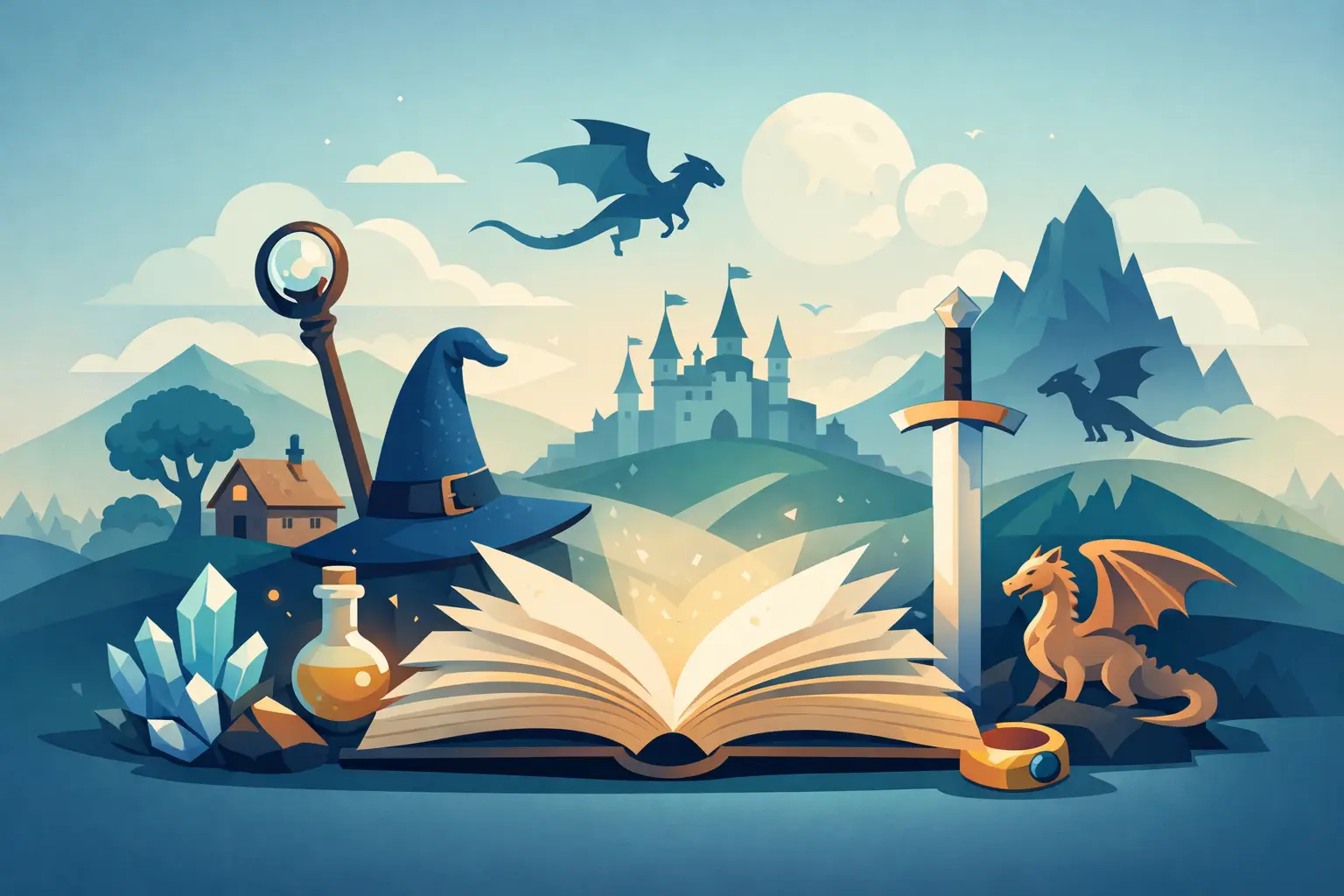
Some fantasy series open with a sword drawn. Others begin with a whisper, a prophecy, or one impossible choice that changes everything. But before any of that magic can work on the page, readers face a practical question that matters more than it seems: what is the right guide to fantasy reading order?
Get that answer wrong, and a breathtaking reveal can feel flat. A hero’s hard-won growth can lose its force. A world meant to widen with wonder can feel strangely out of sync. Get it right, and every return, betrayal, alliance, and triumph lands the way it was meant to – with momentum, emotional weight, and the sense that you are stepping into one legendary journey instead of skimming disconnected chapters from a larger saga.
Why a guide to fantasy reading order matters
Fantasy readers are not just picking up isolated books. They are entering living worlds. In the best series, each installment builds on the one before it, whether through character relationships, magical systems, political tensions, or the quiet scars heroes carry from earlier trials.
That is why reading order is more than a tidy organizational detail. It shapes suspense, clarity, and emotional payoff. A prequel might tell an earlier story in the timeline, but it may assume you already understand the meaning of certain names, kingdoms, relics, or wounds. A companion novel might look optional, yet contain a moment that deepens a main character in ways the core books never fully explain. Even standalones set in the same world can change how later books feel.
For fantasy fans who love epic adventures, recurring protagonists, and rising stakes, order becomes part of the experience. It protects the heartbeat of the story.
The three most common fantasy reading orders
Most fantasy series can be approached in one of three ways: publication order, chronological order, or author-recommended order. Each has its strengths, and each works best in different situations.
Publication order
This is usually the safest choice. Publication order lets you experience the series the way readers first encountered it. The author reveals the world piece by piece, which means mysteries unfold at the intended pace and major twists usually hit hardest.
If you are brand new to a fantasy world, publication order often gives you the cleanest path. You learn the rules when the story wants you to learn them. You meet characters before the narrative asks you to care about their past. You also avoid the common trap of reading a prequel too early and losing the tension around events that were meant to stay in shadow.
Chronological order
Chronological order follows the in-world timeline. This can be appealing, especially for readers who want a straight historical path through a kingdom, war, bloodline, or prophecy.
Sometimes it works beautifully. If the series was designed with timeline clarity in mind, chronological reading can create a smooth sense of progression. But there is a trade-off. Fantasy authors do not always write in timeline order for a reason. They may hold back origin stories to preserve mystery. They may write prequels later because they trust readers already know what is at stake.
Chronological order can make a world feel more linear, but it can also dilute surprise.
Author-recommended order
When an author clearly tells readers where to begin, pay attention. That guidance often reflects how the emotional journey was built, not just how the timeline fits together.
An author may recommend starting with book one of the main saga even if another story happens earlier in the world’s history. Why? Because the main series may provide the strongest entry point, the clearest stakes, or the most compelling bond with the central hero. In fantasy, that bond matters. Readers do not stay for maps alone. They stay for courage, sacrifice, loyalty, and the feeling that this character’s road now matters to them.
How to choose the best reading order for your kind of adventure
The right choice depends on what kind of reader you are and what kind of series is in front of you.
If you care most about surprise, reveals, and emotional impact, start with publication order unless the author says otherwise. This is especially true for epic fantasy with secrets, betrayals, or layered mythology.
If you are rereading a beloved world, chronological order can be thrilling. Once you already know the major turns, it can be satisfying to watch history unfold from the beginning and catch echoes you missed the first time.
If the series includes novellas, side quests, or companion books, ask what role they play. Are they essential bridges between major books, or extra windows into the world? Not every additional title needs to be read immediately. Some deepen the experience. Others are best saved for readers who already know they want more time in that realm.
This is where many fantasy readers overcomplicate things. They treat reading order like a puzzle to solve perfectly before they can begin. Usually, the simplest answer is the best one: start where the story was built to welcome you.
Signs a fantasy series should be read in publication order
Some series almost announce this from the first page. If the magic system unfolds gradually, if the political landscape is intentionally mysterious, or if character backstories are revealed in fragments, publication order is probably doing important work.
The same goes for stories centered on one recurring hero whose inner life deepens book by book. When a protagonist grows through grief, failure, loyalty, and hard choices, skipping backward too soon can undercut that growth. You may learn facts earlier, but feel less of their meaning.
Quest-driven fantasy often depends on escalation. The road gets darker, the stakes get higher, and the victories cost more. That rhythm is part of the spell. Read too far out of order, and the scale of the journey can flatten.
When chronological order makes sense
Chronological order earns its place when a fantasy world is broad, multi-generational, or built around historical events that connect across books. If each title follows different characters but traces the same kingdom, war, or legacy, timeline order can create a satisfying sense of sweep.
It also works well for readers who are less concerned with surprise and more interested in world history. Some readers want to see how ancient magic became forbidden, how rival houses first broke apart, or how a fallen hero became a legend others only whisper about later. For that kind of reader, chronology can feel immersive rather than disruptive.
Still, it helps to know what you are trading. You may gain context, but lose intended mystery.
A practical guide to fantasy reading order for series readers
If you are standing at the edge of a new fantasy saga and do not want to spoil the wonder, begin with four questions.
First, which book was written as the doorway? That is often the true starting point, even if another title happens earlier in-world.
Second, are prequels labeled as entry points or as bonus depth? If the language around them sounds like added background, save them for later.
Third, does the series follow one hero or many? A single hero usually points toward publication order. Multiple timelines may give you more flexibility.
Fourth, what kind of experience do you want? If you want the full force of twists, revelations, and character arcs, choose the order that preserves them.
For many readers, the best guide to fantasy reading order is not the most complicated chart. It is the one that protects momentum. Fantasy should feel like crossing into endless worlds, not like sorting files before the story can begin.
That is especially true in adventure-driven series where each book expands the danger, deepens the bonds, and sharpens the hero’s purpose. In stories built around courage and protecting the innocent, order matters because the emotional climb matters. A noble sacrifice in book three lands differently if you have truly walked beside that character from the right beginning.
Tommy Lee Davis’s approach to fantasy storytelling speaks to exactly that kind of reader – the one who wants more than disconnected spectacle and is looking for a complete journey with heart, danger, and a hero worth following.
One mistake readers make with fantasy reading order
They assume more information always creates a better experience.
Not always. In fantasy, restraint is part of the craft. Authors often hold back history so the present story can breathe. They let legends remain legends until the right moment. They introduce side characters before revealing why they matter. They trust the reader to feel the mystery first and understand it later.
That delay is not confusion. It is design.
So if you are choosing where to start, do not chase the most complete spreadsheet version of the series. Chase the version that keeps the wonder alive. Let the world open one gate at a time. Let the danger grow in the right order. Let the characters earn your loyalty before the deeper lore arrives.
A great fantasy series is not just a collection of books. It is a path. Start where the path was meant to begin, and the journey has a far better chance of feeling as grand, stirring, and unforgettable as the author intended.
When in doubt, read the first true invitation, trust the story’s rhythm, and let the next adventure call you forward.