
Blogs
12 Fantasy Books With Strategic Battles

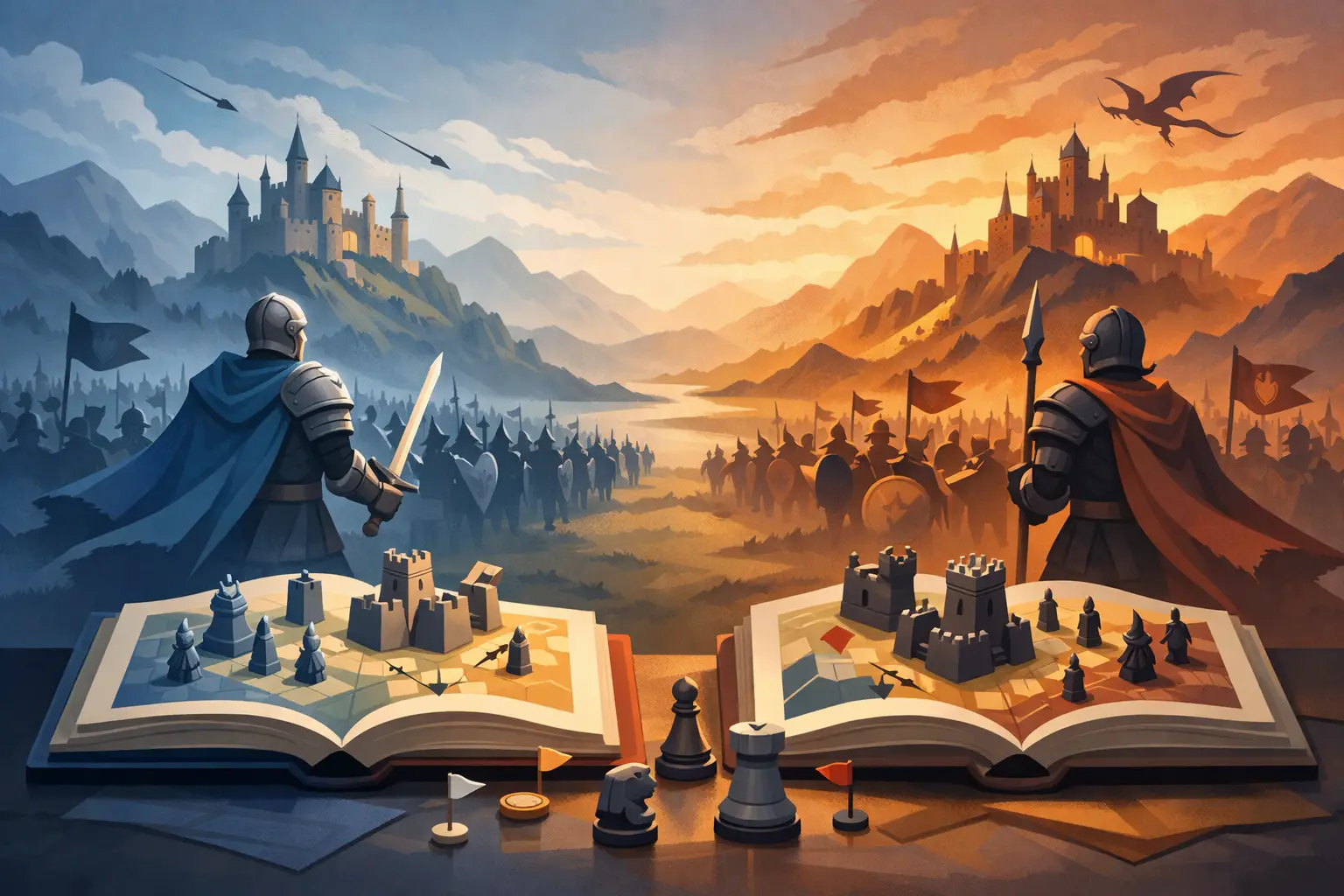
Some battles are won by brute force. The ones readers remember are won by nerve, timing, sacrifice, and one impossible decision made when the walls are already shaking. If you are searching for fantasy books with strategic battles, you are probably not just looking for noise and spectacle. You want tension. You want commanders forced to think three moves ahead. You want heroes who survive because they adapt.
That kind of fantasy hits differently. A strategic battle is never only about armies clashing in the dark. It reveals character. It tests loyalty. It turns maps, terrain, magic, and even fear into weapons. When it is done well, every charge matters because every choice matters first.
What makes fantasy books with strategic battles so satisfying?
The best battle-driven fantasy does more than stage a war. It gives the conflict shape. You understand what each side wants, what they are risking, and why one tactical mistake could bring down a kingdom.
That is what separates a memorable clash from a forgettable action scene. Strategy creates anticipation. You are not simply waiting to see who is stronger. You are watching plans collide. Maybe one side controls the high ground. Maybe magic is powerful but costly. Maybe a smaller force is buying time for civilians to escape. The battle becomes a story inside the story.
There is also a deeper emotional pull. Strategic warfare in fantasy often asks hard questions. Who do you protect first? When is retreat the brave choice? What does victory cost if the innocent are left behind? For readers who love epic adventures with heart, those questions matter as much as the swordplay.
12 fantasy books with strategic battles worth reading
The Heroes by Joe Abercrombie
If you want a book that lives and breathes battlefield decision-making, this one delivers. The story centers on a single brutal conflict spread across a few days, and every movement feels urgent. Abercrombie excels at showing how chaos and planning coexist. Orders get muddled, courage flickers, and small tactical shifts create devastating consequences.
This is a grimmer read than some fantasy fans prefer, but that edge is part of its power. The strategy feels grounded because victory never looks clean.
A Game of Thrones by George R. R. Martin
This book is often praised for politics, but its military thinking matters just as much. Battles and campaigns are shaped by alliances, deception, supply lines, terrain, and timing. Martin understands that war begins long before swords meet.
The strategic element grows even stronger as the series continues. If you enjoy seeing commanders outmaneuver each other on both the map and the council floor, this remains one of the major touchstones of the genre.
The Black Company by Glen Cook
This is fantasy through the eyes of soldiers, and that perspective changes everything. Rather than treating war as distant legend, Cook keeps it close to the ground. You feel the fatigue, the uncertainty, and the constant calculation.
The strategic battles here are sharp because they come from lived experience inside a mercenary company. Plans matter, but morale, discipline, and survival matter just as much. It is a tougher, leaner kind of epic fantasy, and it still feels influential for a reason.
Legend by David Gemmell
Siege warfare is where strategy becomes intensely personal, and Legend is one of the great examples. The setup is simple and powerful – a fortress must hold against overwhelming odds. What follows is not just heroic resistance, but a sustained look at preparation, leadership, and endurance.
Gemmell understands that a defensive battle can be as thrilling as a sweeping campaign. Every wall, every formation, every delay buys something precious. The book carries a mythic spirit, but its tactical pressure keeps it immediate.
The Way of Kings by Brandon Sanderson
Sanderson is known for big systems and bigger payoffs, and his battle scenes reflect that. Strategy in this book is tied to politics, military structure, and the unique possibilities created by magic and technology. Bridge runs, battlefield maneuvers, and the use of specialized armor all shape how war unfolds.
What makes it especially compelling is scale. The battles feel immense, but the emotional stakes remain clear. You are not watching pieces move on a board. You are watching people decide what kind of leaders they will become.
The Thousand Names by Django Wexler
For readers who love military fantasy with a strong campaign feel, this is an easy recommendation. Wexler blends colonial-era military structure with sorcery and political tension, creating battles that rely on formation, command, and shifting momentum.
It is especially strong on chain-of-command pressure. Decisions made by officers ripple down through the ranks, and the strategy feels practical rather than theatrical. If you want fantasy warfare with discipline and grit, this one stands tall.
Promise of Blood by Brian McClellan
Gunpowder fantasy opens up new forms of battle strategy, and McClellan uses that advantage brilliantly. Armies, revolutions, powder mages, and traditional magic collide in ways that keep every confrontation unpredictable.
This book works because tactical thinking extends beyond the battlefield. Coups, investigations, and military maneuvers all feed into one another. If you like strategy mixed with explosive pacing, this is a strong pick.
The Red Knight by Miles Cameron
This novel has the texture of a campaign journal and the urgency of a fortress under threat. It is packed with logistics, command decisions, magical threats, and carefully managed defenses. Cameron clearly loves the mechanics of war, and that gives the action real weight.
That said, it asks a little patience from the reader. The detail is part of the appeal, but it can feel dense if you prefer a faster, cleaner style. For readers who want strategy front and center, though, it is richly rewarding.
Gardens of the Moon by Steven Erikson
Erikson does not always explain everything up front, but his warfare is ambitious and intelligent. Armies, mages, assassins, and empire-level objectives move across a vast canvas, and the strategic dimension is often tied to hidden motives as much as open conflict.
This is not the easiest entry on the list. It demands attention. But for readers who enjoy layered military fantasy where tactics, power, and history all collide, it offers moments of astonishing scale.
The Shadow Campaigns series by Django Wexler
If The Thousand Names grabs you, the full series deepens the reward. Strategic battles evolve alongside the characters, and the campaigns gain emotional force as loyalties are tested and threats expand. One of the pleasures here is watching military experience change people over time.
That long-arc growth matters. Battle strategy in a series can become more satisfying because victories and failures leave scars. Each new conflict carries memory into it.
Malice by John Gwynne
Gwynne writes with momentum, and his battles often balance raw excitement with tactical intent. Formations, ambushes, feints, and command choices shape the action without slowing it down. The result is a read that feels accessible, vivid, and full of heroic energy.
This is a good option if you want epic fantasy that still feels emotionally openhearted. The warfare has weight, but the story never loses sight of courage and conviction.
The Lion of Senet by Jennifer Fallon
This pick is a little different because its strategic elements often run through political and military planning rather than nonstop battlefield scenes. That is exactly why it belongs here. Some of the smartest fantasy war stories know that strategy begins with information, leverage, and anticipation.
If you enjoy a broader view of conflict, where the coming battle is shaped by careful moves long before the first strike, this one offers a satisfying change of rhythm.
How to choose the right kind of battle fantasy
Not every reader wants the same kind of war story, and that is a good thing. If you love sieges and heroic last stands, books like Legend will probably hit hardest. If you prefer campaign realism and military structure, The Black Company or The Thousand Names may be a better fit. If you want giant-scale fantasy where strategy mixes with powerful magic, The Way of Kings or Malazan might be the better road.
Tone matters too. Some fantasy books with strategic battles are grim, cynical, and costly. Others still make room for hope, loyalty, and the stubborn belief that courage can turn the tide. That balance matters more than people admit. A brilliant battle can impress you, but a meaningful one stays with you.
For many readers, the sweet spot is when strategy serves emotion. The plan is clever, yes, but what makes it unforgettable is who stands to lose everything if it fails. That is where battle fantasy becomes more than a spectacle. It becomes personal.
Why these stories keep calling us back
There is something timeless about watching impossible odds met with intelligence and heart. In the best fantasy, strategy is not cold calculation. It is hope sharpened into action. It is a commander refusing to waste lives. It is a hero seeing one narrow path through darkness and choosing it anyway.
That is why these books endure. They remind us that strength is not only about power. Sometimes it is about restraint. Sometimes it is about patience. Sometimes it is about protecting the vulnerable when every easier choice points the other way. That same spirit is part of what makes adventure-driven fantasy series so enduring, including stories like those championed by Tommy Lee Davis, where courage and loyalty matter as much as the clash itself.
If you are building your next reading stack, choose the battles that promise more than destruction. Choose the ones where wit meets danger, where sacrifice has meaning, and where victory feels earned one hard decision at a time.