
Blogs
Do Fantasy Heroes Need Flaws? The Answer Matters

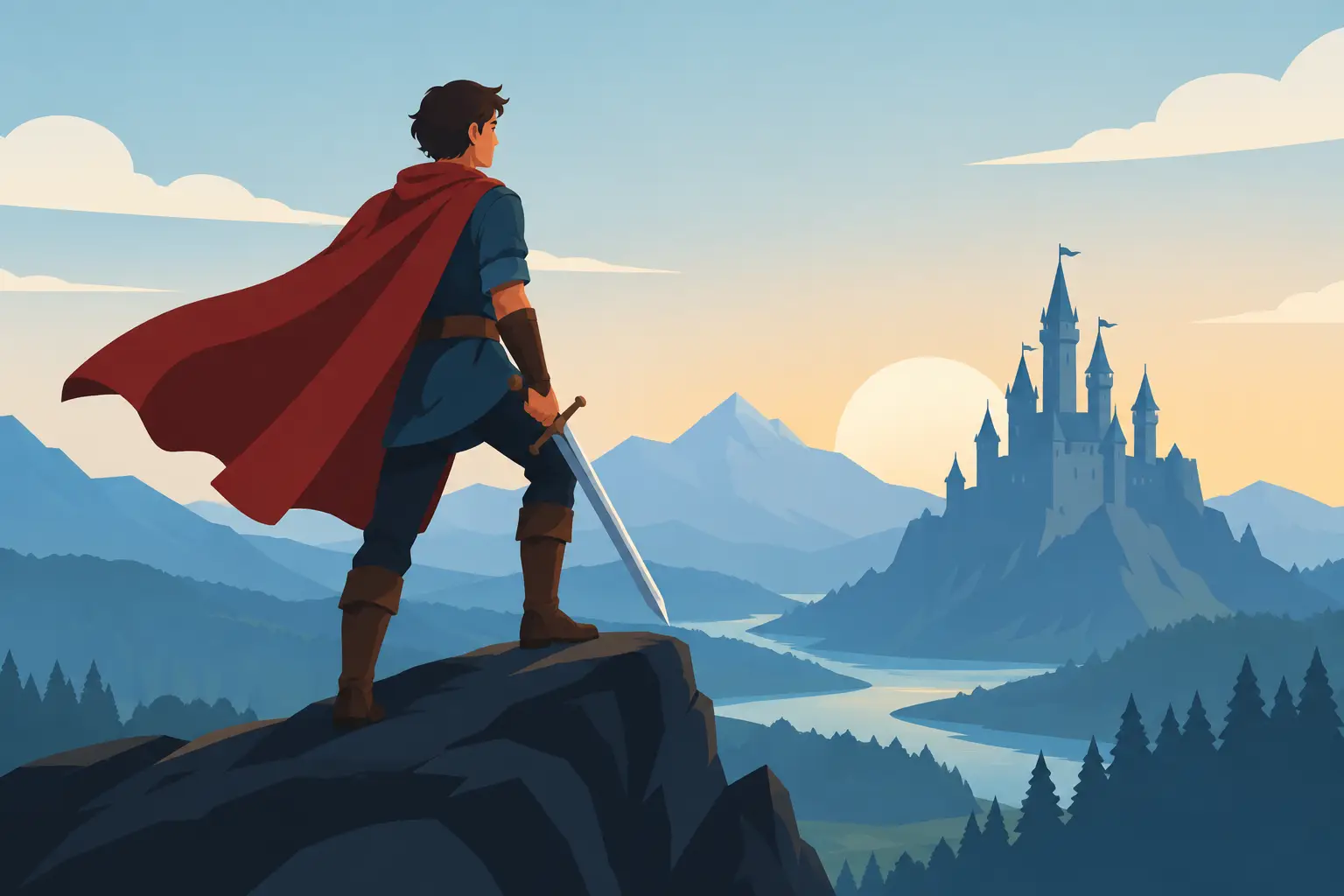
A hero stands at the edge of a ruined kingdom, sword raised, magic burning in their hands. The enemy seems impossible. The innocent need protecting. The question is not whether the hero can win. The question is what winning will cost them.
That is why do fantasy heroes need flaws is more than a writing question. It is a question of emotional stakes. Readers come to fantasy for towering castles, ancient prophecies, dragonfire, and battles that shake the world. But they stay close to a hero when that hero has something within them that is difficult to face.
A flaw does not make a hero smaller. Used well, it gives courage somewhere to rise from.
Do Fantasy Heroes Need Flaws to Feel Real?
Usually, yes. But a flaw should not be mistaken for a collection of unpleasant traits. A hero can be honorable, powerful, generous, and still carry a weakness that shapes every choice. Perhaps they cannot ask for help. Perhaps the need to protect everyone becomes a burden they refuse to share. Perhaps a past betrayal makes them slow to trust the very ally who could save them.
These are not decorations added to make a character seem more realistic. They are pressures inside the story.
A flawless hero can defeat monsters, recover sacred relics, and fulfill every prophecy without surprising the reader. Their victories may look grand, yet feel distant. If nothing in the hero can be challenged except their strength, each new enemy must simply be larger, darker, and more dangerous than the last. The adventure grows louder, but not always deeper.
A meaningful flaw changes the shape of the quest. It can make a simple decision costly. It can turn a loyal companion into a source of conflict. It can place a hero one step away from becoming what they fight against. Suddenly, the battle for the realm is also a battle for the hero’s soul.
That is where fantasy becomes memorable.
Flaws Create the Cost of Courage
Courage is not the absence of fear, doubt, anger, or grief. Courage is choosing what is right while those forces are present.
Consider a warrior who believes retreat is always cowardice. That belief might make them fearless in battle, but it can also endanger their companions. When the time comes to withdraw and protect a village rather than chase glory, the warrior faces an enemy no sword can strike: their own pride.
Or imagine a young mage whose power answers strongest to emotion. Their fury may save friends in one moment and nearly destroy them in the next. The magic is spectacular, but the true tension lies in whether the mage can master their heart before their heart masters them.
Readers do not need heroes to fail at everything. They need to see that a heroic choice is still a choice. A character who has every answer, every skill, and every advantage has little room to reveal who they are under pressure. A character who must act despite an inner weakness shows the kind of bravery readers recognize.
This is especially true in epic adventure. When kingdoms are threatened and ancient evils rise, the external stakes are already enormous. A personal flaw gives those large events a human center. The fate of the world matters because it matters to someone who may not be ready to bear it.
Not Every Flaw Should Be Darkness
There is a temptation to make flawed heroes grim, cruel, or endlessly miserable. That can work for some stories, but fantasy adventure does not require despair to have depth.
Many powerful flaws begin with a virtue pushed too far. Loyalty can become blindness. Determination can become stubbornness. Mercy can become hesitation when action is needed. A desire to protect the vulnerable can become a belief that no one else is capable of standing beside the hero.
These flaws fit naturally into uplifting stories because they do not deny the hero’s goodness. They test it.
A protector who learns to trust others has not abandoned their calling. They have become stronger in it. A leader who admits fear has not become weak. They have made room for honesty, counsel, and genuine fellowship. The lesson is not that heroes should lose their ideals. It is that ideals demand wisdom as well as strength.
For readers who love quests built on courage, loyalty, and justice, this distinction matters. They want a champion worth believing in. They also want that champion to earn their victories.
The Best Flaws Affect Relationships
A fantasy world can hold endless wonders, but relationships give those wonders their emotional weight. The hero’s flaw should often reach beyond the hero.
If a prince cannot forgive, an old friend may become an enemy. If a thief believes they are unworthy of love, they may betray a fellowship before it can abandon them. If a chosen hero is certain destiny has singled them out, they may overlook the quiet bravery of the people fighting at their side.
These conflicts create scenes that action alone cannot deliver: the companion who refuses to leave, the mentor who speaks a painful truth, the sibling who no longer accepts an apology without change. Such moments make the final stand against darkness feel earned because the hero has learned what, and whom, they are truly fighting for.
The flaw should not force drama into every conversation. Not every disagreement needs to become a betrayal. Yet the people closest to a hero are often the ones who can see the cost of their weakness most clearly. They are also the ones who make transformation possible.
In a continuing series, this becomes even more rewarding. A hero may overcome one weakness only to discover that greater responsibility reveals another. Growth is not a switch that flips at the end of a single quest. It is a path through changing lands, harder enemies, and deeper truths. That long journey is part of what makes a recurring protagonist feel like a companion to the reader.
Power Needs a Limit
Fantasy heroes are often gifted with rare abilities: enchanted weapons, royal bloodlines, ancient knowledge, or magic that can alter the course of a war. Readers enjoy that sense of wonder. No one opens an epic fantasy hoping the hero will be ordinary in every way.
But power without limits can drain danger from the page.
A limit does not always mean weakening the hero’s magic or making them lose every fight. It can mean that their greatest power comes with a moral price. It can mean using it requires trust they have not learned to give, or demands a sacrifice they cannot yet accept. It can mean the hero can defeat an enemy, but not save everyone they love at the same time.
The strongest limits are connected to character. A magical barrier is interesting. A barrier that only opens when the hero relinquishes control is far more powerful because it joins the outer quest to the inner struggle.
In stories of legendary journeys, the greatest obstacle is rarely a beast in a cavern. It is often the part of the hero that insists they must face the darkness alone.
Give Heroes a Path Forward
A flaw should create possibility, not merely punishment. If a character is trapped in the same mistake for too long, readers may stop hoping for them. The story needs signs that change is possible, even if it comes slowly and painfully.
That does not mean every hero must be healed completely by the final chapter. Some wounds leave scars. Some fears return when the stakes grow higher. A hard-won lesson can be tested again in a new form. What matters is movement.
Show the hero noticing the damage they cause. Let them make a better choice when it hurts. Let them accept help after refusing it. Let them apologize without demanding immediate forgiveness. These moments may be quieter than a battle against a dark lord, but they often carry just as much power.
In the Asim’s Extraordinary Journeys series, the scale of the adventure matters because every dangerous road also asks something of the people walking it. The call to protect others becomes more meaningful when a hero must learn what protection truly requires.
A great fantasy hero does not need to be perfect before the journey begins. They need a heart capable of choosing the light, again and again, when pride, fear, grief, or power calls them elsewhere. Give them a flaw that matters. Then give them a chance to become worthy of the legend readers hope they will be.