
Blogs
Fantasy Trope Guide for Epic Adventure Readers

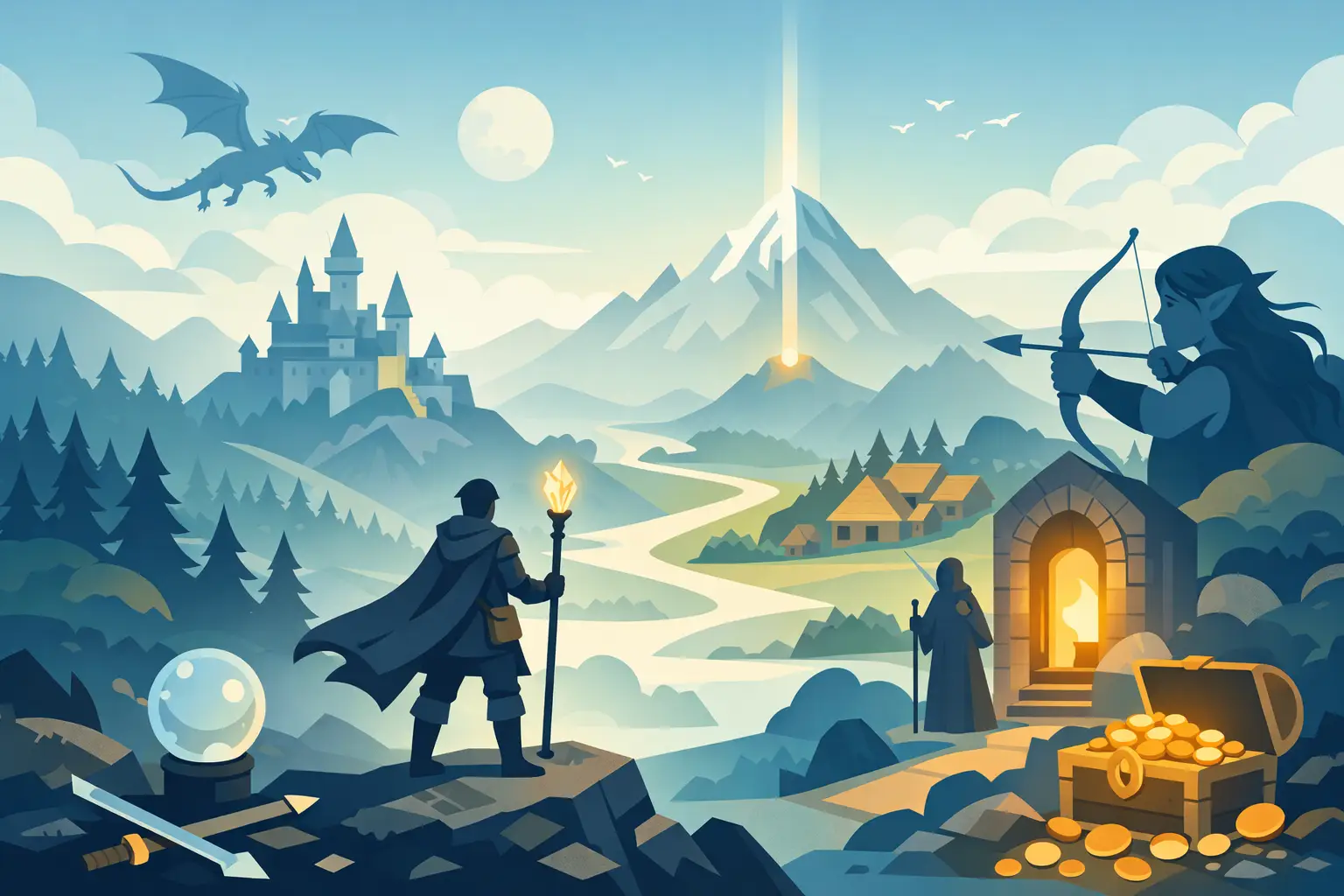
A weathered map, a dangerous promise, and one ordinary soul asked to stand against the darkness – fantasy readers know that feeling before the first great battle begins. A good fantasy trope guide is not a checklist that steals the mystery from a story. It is a lantern for recognizing the familiar forces that make an epic adventure feel thrilling, personal, and worth following into the unknown.
Tropes endure because they speak to real hopes and fears. We want to believe courage can rise in unexpected places. We want loyalty to matter when power is tempting, and we want the innocent to be defended when evil seems too vast to defeat. The finest fantasy stories use recognizable foundations, then give them a fresh heartbeat.
What a Fantasy Trope Guide Reveals
A trope is simply a recurring storytelling pattern. In fantasy, it might be a hidden heir, an ancient prophecy, a reluctant hero, a magical artifact, or a band of unlikely allies crossing a hostile land. None of these ideas is automatically predictable. Their power comes from how they challenge the characters who encounter them.
A prophecy can feel hollow if it only announces who will win. It becomes compelling when it places a burden on someone who fears the cost of fulfilling it. A magical sword becomes more than a shining weapon when it asks its bearer to choose between vengeance and mercy. The familiar shape gives readers a path into the world; the emotional stakes make them stay.
The Chosen Hero and the Reluctant Hero
The chosen hero is one of fantasy’s oldest and most beloved figures. This character may carry a forgotten bloodline, possess an unusual gift, or become the only person capable of stopping an approaching threat. At its best, the trope is not about destiny handing someone a crown. It is about whether that person will accept responsibility when walking away would be safer.
The reluctant hero brings a different kind of fire. Rather than seeking glory, they may want a quiet life, freedom from the past, or simply a chance to protect the people close to them. Their refusal makes their eventual choice more meaningful. Readers do not cheer because the hero was born fearless. They cheer because fear was present and courage answered anyway.
The Quest That Changes Everyone
A quest is rarely just a trip from one kingdom to another. It gives a story momentum while placing characters under pressure. A band may set out to recover a lost relic, rescue a captive, close a gate to another realm, or prevent a war. Along the road, each trial exposes what they value.
The best quests have a clear outer goal and an inner cost. Reaching the mountain fortress matters, but so does the friend who begins to doubt the mission. Recovering the artifact matters, but so does the temptation to use its power for selfish reasons. When a quest changes the travelers as much as it changes the world, the adventure lingers.
Magic With a Price
Magic creates wonder, but limits create tension. A spell that solves every problem can make danger disappear. Magic that demands sacrifice, training, rare knowledge, or painful consequences makes every use feel significant.
That does not mean every fantasy world needs strict rules for every spark of enchantment. Some stories thrive on ancient, mysterious magic that cannot be fully explained. Others build excitement through precise systems with clear boundaries. It depends on the kind of journey being told. What matters most is that magic supports the story’s emotional truth rather than replacing it.
The Fantasy Tropes That Build a Fellowship
Epic adventures are often remembered for dragons, castles, and battles. Yet readers return for the bonds forged between people who might never have chosen one another under ordinary circumstances. The found family trope turns a group of strangers into something stronger than a convenient team.
There may be a steadfast protector, a quick-witted rogue, a scholar with dangerous knowledge, and a warrior carrying old grief. Their roles can be familiar, but their relationships should not feel preassigned. Trust needs to be earned. Conflict needs to leave marks. A joke shared beside a dying fire can matter as much as a victory in a throne room because it shows what the heroes are fighting to preserve.
The loyal companion is especially powerful in a high-stakes saga. When a hero falters, the companion may offer a warning, a sacrifice, or the simple refusal to leave. Loyalty is not blind agreement. The truest ally can be the person brave enough to say, “This path is changing you.”
Mentors also carry special weight. They may be wise wizards, battle-scarred captains, healers, or former heroes who know what the young protagonist does not. A mentor should offer more than answers. Their presence should reveal a possible future, whether inspiring or tragic. Sometimes the lesson is how to wield power. Sometimes it is how not to be consumed by it.
Ancient Evils, Dark Lords, and Moral Conflict
A looming evil gives epic fantasy its scale. A tyrant gathers armies. A sleeping force stirs beneath the earth. A corrupt empire tightens its grip while ordinary people suffer in silence. These threats work because they make the heroes’ choices matter beyond their own survival.
Still, darkness is more frightening when it has a human face. The strongest villains are not merely obstacles with cruel laughter and limitless armies. They believe something. Perhaps they seek order at any cost, revenge for a genuine wound, or power because they cannot bear vulnerability. Understanding a villain does not excuse them. It makes the confrontation sharper.
Fantasy often asks whether power can be used without becoming corrupted by it. That question is more enduring than any single villain. A hero might be able to seize the enemy’s weapon, command forbidden magic, or claim a throne through fear. The dramatic question is not only, “Can they win?” It is, “Who will they become if they do?”
Hidden Kingdoms and Expanding Worlds
A secret city beyond the mist, a forgotten road beneath the mountains, or a kingdom erased from every map can make a fantasy world feel endless. The hidden-world trope speaks to a deep reader desire: the hope that ordinary life may contain a doorway to something greater.
Worldbuilding becomes memorable when it affects the people living in it. A floating city should have its own fears, customs, and inequalities, not just beautiful towers in the clouds. A kingdom at war should change what its farmers grow, what its children learn, and what its rulers are willing to sacrifice. Grandeur matters, but lived-in detail gives grandeur a soul.
For readers who love a continuing series, an expanding world offers another reward. Each new book can reveal a different realm, ancient conflict, or consequence of an earlier choice without losing sight of the central hero. That sense of widening possibility is part of what makes a long journey feel legendary. In adventures such as Asim’s Extraordinary Journeys, the stakes can grow from one perilous mission into a larger battle for the people and worlds the hero has come to love.
When Familiar Tropes Become Fresh
The point of recognizing tropes is not to predict every turn. It is to appreciate the craft behind surprise. A hidden heir may reject the throne. The prophecy may have been misunderstood. The feared monster may be guarding something innocent. The mentor may survive, while the student must learn to stand beside them rather than replace them.
Freshness often comes from asking one honest question: what would this cost? If a young hero is chosen, what do they lose? If a kingdom is saved, who must rebuild it? If a friend betrays the fellowship, what truth made betrayal possible? The answers pull a story away from empty spectacle and toward lasting emotion.
A great fantasy adventure does not need to discard the old road to make it feel new. It only needs characters brave enough to walk that road with open hearts, hard choices, and something precious to protect. The next time a map unfolds, a prophecy whispers, or a stranger offers a dangerous quest, let yourself feel the promise behind it: beyond the familiar gate, another legendary journey may be waiting.