
Blogs
What Makes a Fantasy Hero Memorable in Epic Tales?

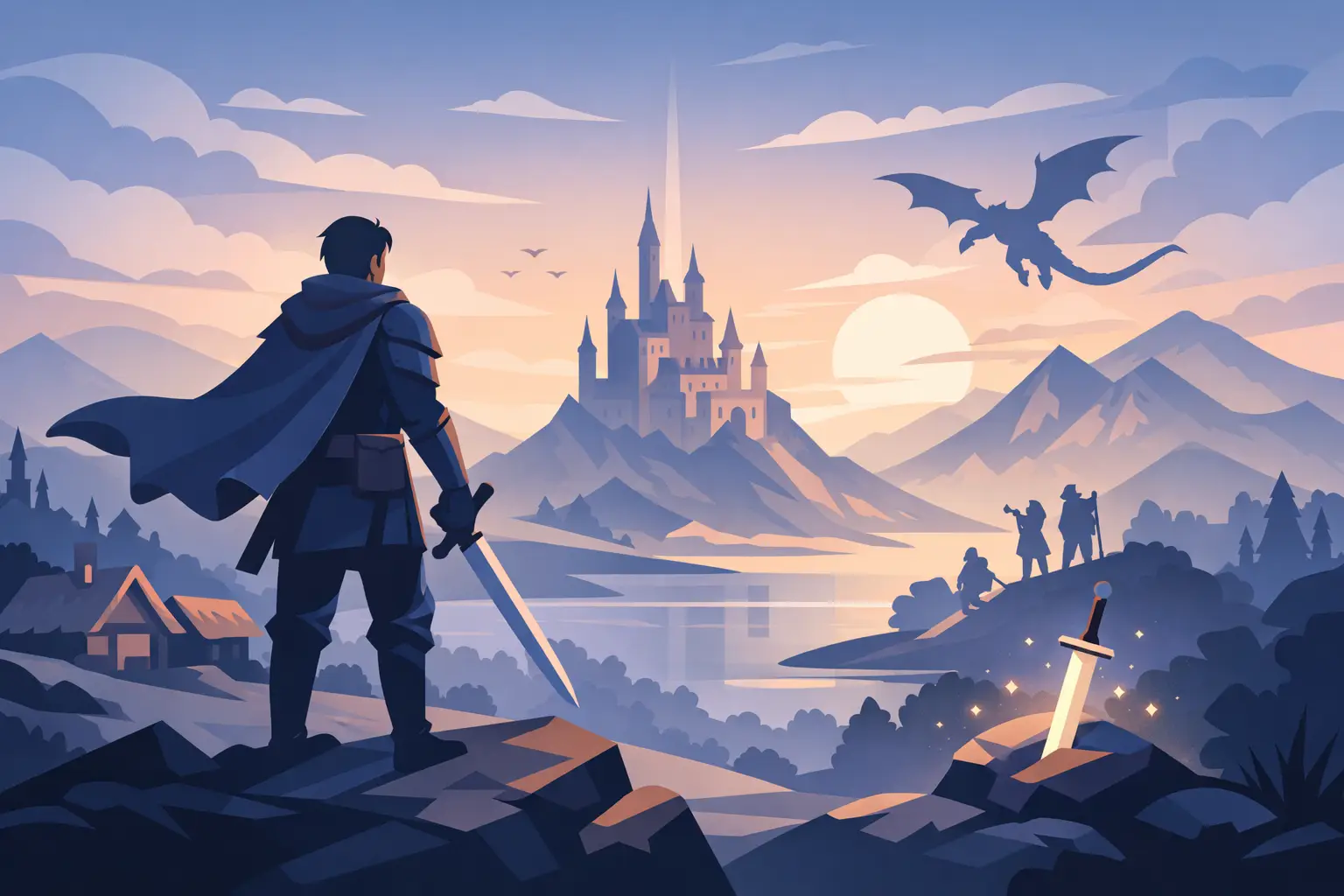
A dragon can darken the sky. A cursed crown can threaten an entire kingdom. But the moment readers remember most is often quieter: a young hero choosing to stand between danger and someone who cannot fight back. That is the heart of what makes a fantasy hero memorable. It is not the size of the sword, the rarity of the magic, or even the scale of the prophecy. It is the person who must carry the burden.
Readers come to fantasy for endless worlds, ancient secrets, impossible creatures, and epic adventures. They stay because a hero makes those wonders matter. A memorable hero gives a dangerous world an emotional center. Their victories feel earned, their losses leave a mark, and their choices echo long after the final battle.
A Memorable Fantasy Hero Has Something to Lose
A hero cannot be defined only by what they want to gain. The deeper question is what they could lose by answering the call.
Maybe it is their home, their family, their closest friendship, or the chance to live an ordinary life. Maybe they fear becoming like the enemy they are fighting. Whatever the danger, it must feel personal. Saving a distant kingdom can create grand stakes, but saving a sibling, a friend, or a promise gives that mission a heartbeat.
This is why a reluctant hero can be so compelling. Reluctance does not mean cowardice. Often, it means the character understands the cost before anyone else does. They know that stepping onto the road may change them forever, yet they take the first step anyway.
A character with nothing to lose can feel untouchable. A character with everything to lose makes every decision matter.
Courage Is Not the Absence of Fear
The most inspiring heroes are rarely fearless. Fearless characters may look impressive in battle, but fear alone does not create emotional connection. Readers recognize fear because they know it themselves.
Courage appears when a hero is frightened, uncertain, exhausted, or outmatched, yet refuses to abandon the innocent. It can be the warrior who returns to the battlefield after a crushing defeat. It can be the young mage who uses dangerous power despite knowing what it may cost. It can be the traveler who tells the truth when a lie would be safer.
A hero becomes unforgettable when bravery is a choice, not a personality trait.
Power Should Reveal Character, Not Replace It
Fantasy heroes often wield extraordinary gifts. They may command stormfire, speak to ancient beasts, carry a blade forged before the first kingdom rose, or possess a destiny no one else can fulfill. These elements bring spectacle. They also create a challenge for the storyteller.
If power solves every problem, tension disappears. A hero who can defeat any foe without sacrifice may be exciting for a moment, but readers have little reason to worry about them. The magic becomes more memorable when it has limits, consequences, or a price.
Perhaps each spell drains the hero’s strength. Perhaps their gift attracts enemies. Perhaps the power comes from a source they do not fully trust. Better still, perhaps the hero must decide when not to use it.
That choice reveals character. A powerful hero who protects others is admirable. A powerful hero who refuses to become cruel, even when cruelty would be easier, is someone readers can believe in.
Flaws Give the Legend a Human Face
Perfection is distant. Flaws bring a hero close.
A memorable fantasy protagonist may be impatient, proud, too quick to carry every burden alone, or slow to trust. They may have failed someone they love. They may be haunted by a past choice that cannot be undone. These weaknesses should not be decorative quirks. They should create real obstacles in the journey.
For example, a hero’s loyalty can become a flaw when they refuse to question a friend who has changed. Their courage can become recklessness when they rush toward danger without a plan. Their desire to protect others can become controlling when they deny those people the right to choose their own risks.
The finest character arcs do not erase these qualities. They refine them. The hero learns that loyalty needs honesty, courage needs wisdom, and protection sometimes means trusting others to stand beside them.
The Hero Needs People Worth Fighting For
No legendary journey is truly traveled alone. Companions reveal sides of the hero that a battle scene cannot.
A loyal friend can challenge the hero’s blind spots. A mentor can offer guidance while carrying secrets of their own. A rival can force the hero to grow. A child, villager, sibling, or stranger in need can remind the hero what the quest is really about. Through these relationships, the hero becomes more than a figure marching toward destiny.
Loyalty is especially powerful because it must be tested. It is easy to call someone family in a peaceful hall. It means more when trust survives betrayal, distance, grief, or impossible disagreement. Readers remember the heroes who fight for their companions, but they also remember heroes who listen, forgive, apologize, and allow others to help carry the weight.
That shared burden is part of what gives a fantasy series its lasting emotional pull. Each new trial can deepen a bond, break it, or rebuild it stronger than before.
Great Heroes Make Difficult Moral Choices
The strongest fantasy conflicts are not always about defeating evil with a final blow. Sometimes the true conflict is deciding what victory should cost.
Should the hero sacrifice one life to save a city? Should they trust an enemy who may be lying? Should they obey the kingdom’s law when the law abandons the vulnerable? These questions place the hero’s values under pressure.
There may not be a clean answer. In fact, there often should not be. A story becomes richer when the hero’s decision leaves consequences that cannot be waved away in the next chapter. They may save the realm and lose a friendship. They may spare an enemy and risk everything. They may win the throne only to discover they never wanted power.
Readers do not require a hero to be right every time. They want to understand why the hero chose as they did, and they want to see that choice change them.
The World Must Push Back
A fantasy world should not exist merely to decorate the hero’s journey. Its cultures, magic, history, and dangers should challenge the hero in ways no other world could.
A desert kingdom may test endurance and resourcefulness. A city built on old enchantments may force a hero to question history. A realm divided by war may make every alliance fragile. When the setting has its own scars, laws, and mysteries, the hero’s decisions gain greater weight.
This is where epic fantasy can shine. The world expands with each adventure, but the hero remains the thread that leads readers through it. New lands, enemies, and revelations should not distract from the emotional journey. They should sharpen it.
In a series such as Asim’s Extraordinary Journeys, escalating threats can keep the adventure grand while giving the central hero fresh chances to prove who they are. The greatest enemy may change from book to book, but courage, loyalty, and the protection of the innocent remain meaningful tests.
Growth Is What Turns a Hero Into a Legend
A memorable hero is not the same person at the end of the journey. They may still carry the same blade, bear the same gift, or follow the same stars, but experience has changed the way they see themselves and the world.
Growth does not always mean becoming harder. Sometimes it means learning to hope again. Sometimes it means accepting help after years of isolation. Sometimes it means realizing that strength is not control, but compassion. The best transformations feel both surprising and inevitable. Looking back, readers can see every wound, choice, friendship, and failure that led there.
For a recurring protagonist, this growth is especially important. Each book should give the hero a new challenge, not simply a larger monster. One adventure may test their bravery. The next may test their trust. Another may ask whether they can lead without losing the kindness that made others follow them in the first place.
A hero becomes legendary not because they were born flawless or chosen by fate. They become legendary because, when the road grew darker and the cost grew higher, they chose to become someone worthy of the people depending on them.