
Blogs
Why a Fantasy Series With Recurring Protagonist Works

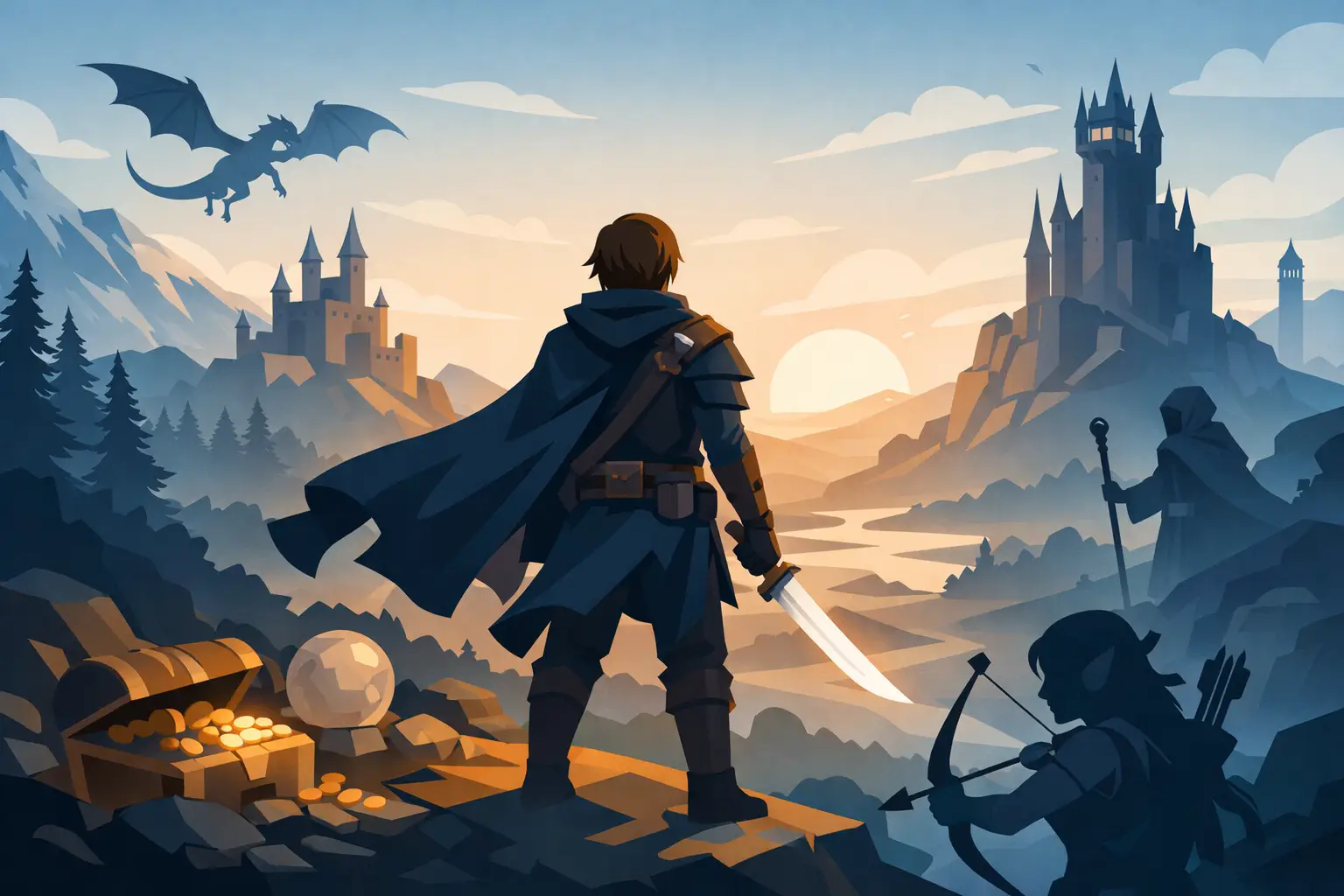
Some heroes leave an impression. Others feel like they travel beside you for years. That is the special power of a fantasy series with recurring protagonist – it does not ask readers to start over every time. It invites them back into danger, wonder, sacrifice, and triumph with someone they already trust.
For fantasy readers, that trust matters. A magical world can be vast, strange, and filled with kingdoms, creatures, relics, betrayals, and prophecy. But when one central hero carries the story forward from book to book, the journey gains a heartbeat. The world may expand, the threats may darken, and the cost of every choice may rise, yet the reader always has one steady thread to follow.
That thread is often what turns a good fantasy saga into a beloved one.
What makes a fantasy series with recurring protagonist so compelling
A recurring protagonist gives a series momentum that standalone fantasy rarely matches. In a single novel, a hero can complete a quest, defeat an enemy, or survive a trial. In a series, that same hero can change in ways that feel earned. Courage can harden into leadership. Innocence can be tested by grief. Loyalty can become sacrifice.
Readers do not just watch events happen. They witness a life being shaped.
That difference is huge in fantasy adventure, where the emotional stakes need to rise along with the spectacle. A dragon attack can be thrilling. A war between realms can feel enormous. But those moments land harder when they happen to someone the reader already knows deeply. The danger is no longer abstract. It is personal.
This is where recurring protagonists shine brightest. They carry memory. They remember old losses, unfinished vows, allies won in battle, and enemies who escaped the last reckoning. Every new conflict arrives with history behind it, and history gives fantasy weight.
One hero, many trials, greater payoff
There is something deeply satisfying about following one hero across multiple books because each victory costs more than the last. The first quest may be about survival. The second may be about responsibility. The third may force the hero to choose between personal peace and the protection of others.
That kind of progression creates a richer emotional experience than a reset ever could. Readers want to see not only whether the hero wins, but what winning changes. Does power isolate them? Does duty demand too much? Can they stay kind in a world that rewards cruelty?
A recurring protagonist makes those questions matter over time.
This format also gives fantasy authors room to build a legend gradually. Not every heroic moment needs to happen in one giant burst. The protagonist can earn their reputation step by step, book by book, through scars, setbacks, and acts of bravery that echo long after the battle ends. By the time the reader reaches the later volumes, they are not simply watching a character act heroically. They are following someone who has become mythic through endurance.
That long arc is one reason readers become fiercely loyal to fantasy series.
The world grows because the hero grows
In great fantasy, worldbuilding is not just decoration. It is pressure. It tests the hero and reveals who they are. A recurring protagonist is especially effective because the world does not feel static around them. As they move through new lands, darker threats, hidden histories, and widening conflict, the setting expands in a way that feels connected rather than random.
The reader experiences discovery through a familiar set of eyes.
That familiarity matters. It gives even the strangest new realm an emotional anchor. When a returning hero enters a cursed city, a forgotten kingdom, or a battlefield haunted by old magic, readers are not overwhelmed by novelty. They are excited because they know exactly whose heart is at stake.
This is one of the biggest strengths of series fantasy built around one central figure. The expanding world never feels like scattered lore for its own sake. It feels like the widening edge of the same journey.
Of course, there is a trade-off. A recurring protagonist can limit perspective if the series becomes too narrow or too dependent on one personality. Some fantasy readers love rotating viewpoints and sprawling casts because they want the full sweep of an epic conflict. That approach can be powerful. But for readers who crave emotional continuity, one returning protagonist often creates a stronger bond.
It depends on what kind of fantasy experience the story is trying to deliver. If the goal is intimacy inside a grand adventure, the recurring hero is hard to beat.
Why readers form lasting loyalty to recurring heroes
A recurring protagonist gives readers something bigger than familiarity. It gives them companionship. Over several books, the hero becomes part of the reader’s imagination in a lasting way. Their fears become recognizable. Their strengths become inspiring. Their flaws become part of what makes them human, even in a world of magic and monsters.
That bond is powerful because fantasy is often about more than escape. The best fantasy reminds readers that courage matters, that loyalty has a price, and that protecting the innocent is still worth fighting for even when the odds are brutal. A recurring protagonist can embody those values across a long arc, proving them again and again under new pressure.
This is where series fiction becomes more than entertainment. It becomes a promise. Readers return because they believe the next adventure will not only thrill them, but move them.
They want the clash of swords, the impossible odds, the hidden powers, and the kingdoms hanging by a thread. But they also want the quiet moments after the battle, when the hero must live with what was lost and decide who they will be next. A recurring protagonist lets both sides of fantasy breathe – the cinematic scale and the emotional truth.
Fantasy series with recurring protagonist and the promise of continuity
One reason this model works so well is simple: continuity builds anticipation. Readers know the story is moving forward. Loose threads matter. Old choices return. Supporting characters can deepen in meaningful ways because their relationship to the protagonist evolves rather than resetting.
That sense of continuity creates momentum between books. Finishing one adventure does not feel like closing a door. It feels like hearing distant thunder beyond the mountains and knowing the next storm is already coming.
For readers who love quest-driven fantasy, this is incredibly satisfying. The protagonist may complete one mission, but a larger destiny is still unfolding. There is always another horizon, another test of faith, another evil rising where hope seems weakest.
That structure is especially appealing to audiences who want immersive reading experiences. They are not looking for a brief visit. They want to step into a living saga. They want one legendary journey that keeps revealing new wonders and new dangers without losing the soul at its center.
That is exactly what a well-built fantasy series can offer.
Why this format fits adventure-driven fantasy so well
Adventure fantasy thrives on motion. The hero travels, discovers, risks, falls, rises, and keeps going. A recurring protagonist strengthens that pattern because every new adventure adds meaning to the last one. The road behind the hero is never empty. It is filled with lessons, wounds, promises, and people worth saving.
This makes even high-concept fantasy feel accessible. Readers do not need to fall in love with a brand-new lead every time. They can invest more fully in the story because that key emotional doorway is already open.
For authors and readers alike, that creates something rare: scale without detachment. The series can become larger, darker, more magical, and more epic, while still feeling personal.
That is a major reason stories built this way endure. They combine the thrill of endless worlds with the pull of one hero’s continuing fight. In a crowded genre, that kind of emotional through-line is not just effective. It is memorable.
Tommy Lee Davis builds that kind of promise into fantasy adventure storytelling – not just bigger stakes, but a hero readers can keep believing in.
When a series gives you a recurring protagonist worth following, every new book feels less like a sequel and more like the next chapter of a destiny you are not ready to leave behind.